<?xml version="1.0" encoding="iso-8859-1"?><!-- generator="b2evolution/2.4.2" -->
<rss version="2.0" xmlns:dc="http://purl.org/dc/elements/1.1/" xmlns:admin="http://webns.net/mvcb/" xmlns:rdf="http://www.w3.org/1999/02/22-rdf-syntax-ns#" xmlns:content="http://purl.org/rss/1.0/modules/content/">
	<channel>
		<title>Mushware educativo</title>
		<link>http://lindacastaneda.com/mushware/index.php</link>
		<description>Mushware Educativo</description>
		<language>es-ES</language>
		<docs>http://blogs.law.harvard.edu/tech/rss</docs>
		<admin:generatorAgent rdf:resource="http://b2evolution.net/?v=2.4.2"/>
		<ttl>60</ttl>
				<item>
			<title>PLE Conference 2010... All about you</title>
			<link>http://lindacastaneda.com/mushware/index.php/2010/07/28/plebcn</link>
			<pubDate>Wed, 28 Jul 2010 20:59:09 +0000</pubDate>			<dc:creator>Linda Casta&#241;eda</dc:creator>
			<category domain="alt">Reflexiones</category>
<category domain="main">Congresos</category>			<guid isPermaLink="false">130@http://lindacastaneda.com/mushware/</guid>
						<description>It was almost a month ago and I haven't had time to write anything about this.... This is a blog in Spanish, and I&amp;#8217;m not very correct explaining myself in English, Nevertheless I want to write this in English to share it with all the PLE_bcn people to ask them for their comments if they want....&lt;br /&gt;

It was almost a month  ago and it seems to be more time... Time flies when you miss something....&lt;br /&gt;


The PLE Conference is, without any doubt, one of the more interesting projects/events/situations I have been involved ever. And PLE Conference 2010 was a wonderful first opportunity to made this project touchable.
Some months ago I have invited you to Barcelona, and now I'm looking forward to being in Southapmton in july 2011 (follow #ple_sou).... O maybe being able to go back to Bar&amp;#231;a again (yes, I know, I'm too nostalgic some times :-)). PLE conference, from the beginning (my friend &lt;a href=&quot;http://knowmansland.com/learningpath/?p=574&quot;&gt;Cristina Costa has made a great post were she explain how it was born&lt;/a&gt;) wanted to be a different event, and I'm sure people involved in this #ple_bcn (the hashtag of the PLE conference 2010), all of us, have done it different and continue doing this...&lt;br /&gt;


The incredible thing was I had the opportunity to attend it from the very beginning and from a privileged place... Close to all of you.&lt;br /&gt;


From I was back from bcn I have made some reflections every day about the conference, I don&amp;#8217;t have time, space and words enough to express all of them, But I think there are some remarkable reflections about some special characteristics of the conference that I want to share with you:&lt;br /&gt;


The first remarkable from the very beginning of this adventure (yes, I'm sure this is an intense adventure) is that there isn't almost anything normal in the preparing of the conference; everything was informal, dynamic but at the same time, everything was prepared very seriously. The conference had a wonderful &lt;a href=&quot;http://pleconference.citilab.eu/?page_id=52&quot;&gt;academic committee&lt;/a&gt; plenty of VIPs who take their role in the revision of papers in  very rigorous way. Everybody (academic committee and also helpers and chairs) seemed to be included in the project in a very deep and enthusiastic way, everybody wanted to work WITH us (the organising committee), and from my point of view, we get the goal&lt;br /&gt;

&lt;br /&gt;
&lt;strong&gt;PLE_BCN was (is) very informal but rigorous&lt;/strong&gt;&lt;br /&gt;
&lt;br /&gt;

There were 4 keynote speakers (2 from Spain and 2 from outside ;-)) with more than an incredible curriculum and very well known (en espa&amp;#241;ol dir&amp;#237;amos que de reconocido prestigio), Alec Couros (&lt;a href=&quot;http://educationaltechnology.ca/couros/&quot;&gt;@courosa&lt;/a&gt;), Graham Attwell (&lt;a href=&quot;http://www.pontydysgu.org/&quot;&gt;@grahamattwell&lt;/a&gt;), Jordi Adell (&lt;a href=&quot;http://elbonia.cent.uji.es/jordi&quot;&gt;@jordi_a&lt;/a&gt;) e Ismael Pe&amp;#241;a-L&amp;#243;pez (&lt;a href=&quot;http://ictlogy.net/&quot;&gt;@ictlogist&lt;/a&gt;), who not only accepted to come by the pleasure of come ;-), in addition to this they accepted the idea of don't make a &quot;typical&quot; keynote. They had to prepare an &quot;experience&quot; together but including the participation of the public, before the conference (basically in twitter, but including some videos, wikis, googledocs, discussions and so on) and during the conference, something collective, collaborative, dynamic... And they done it :-)... And even more, they join us in the whole conference, in coffees, discussions, other presentations, and more :-)
&lt;br /&gt;

Is not too common for me to see the &quot;stars&quot; from so close, and it was wonderful see them down the flooring, sharing with all of us a bit of their light... And the best is to test that their shine mixed with the light of every participant (they all have their own shine and light) made a wonderful shine for all of us... At the end we had lot of light for everybody.&lt;br /&gt;
&lt;br /&gt;

&lt;strong&gt;PLE_BCN was plenty of light and shine :-)&lt;/strong&gt;
&lt;br /&gt;&lt;br /&gt;

We also invited to participants to present their proposals and papers in new and different formats. The idea was to avoid the doom of listening traditional and boring expositions of papers and papers for two loooooooong days... In change of this, every chair of session (thanks to all of them) could negotiate with the presenters to dynamite the session using different formats...&lt;br /&gt;


I also had the opportunity to chair a session in Spanish, where I finnaly meet personally @lernys, @ainhoaeus  and (en dos patas a nuestro torito) @eraser (there are some pictures of his face :-))... Also I had chairing and sharing the incredible Pechakucha session in Spanish (thanks to @marett @lernys @monvall @ramonovelar @ocasquero, you are  INCREDIBLY brave and daring accepting this challenge), and it was enormous exciting, interesting and fun...&lt;br /&gt;
&lt;br /&gt;
 
&lt;strong&gt;PLE_BCN was excinting, interesting and fun!&lt;/strong&gt;&lt;br /&gt;

&lt;br /&gt;
Moreover, we did a beat about language. When we talked about the PLE Conference in Barcelona, we discussed about the need of opening a Spanish strand (as a detail for people from Spain), and to include a Keynote in Spanish (with the translation in English)&amp;#8230;
&lt;br /&gt;
 
The idea was not complicate the things&amp;#8230; we know we can have keynotes in English, and almost everybody in the conference speak in English BUT, from our point of view, language is a question not only about words, is also about how people think and how they structure their minds and discourses; and , I have (we have actually) the impression that English is a wonderful common language for the most of sciences, BUT we must have the opportunity to listen to other ways to think in different languages as well (there is science and thought outside English)&amp;#8230; I imagine, English native speakers don&amp;#8217;t use to need any translator habitually in conferences. I know for some of them was quite strange to have to put into their heads the headphones to understand, BUT we love new experiences, even more, when they could give us other visions and enrich our owns&amp;#8230;&lt;br /&gt;


My blog is in Spanish (mostly), because of Spanish is my mother tongue. Consequently, I&amp;#8217;m feeling more comfortable in Spanish&amp;#8230; I can express myself in English (indeed, I have the hope I can do it in any language by signs), BUT is t is not a question of express myself, is a question to express completely and freely, entirely wide open in a language, with every nuances I want to put into my reflections.&lt;br /&gt;

 
I love the idea of having a multilingual conference...&lt;br /&gt;

 &lt;br /&gt;
&lt;strong&gt;An PLE_bcn was multilingual!&lt;/strong&gt;&lt;br /&gt;

&lt;br /&gt;
Also it was fantastic to see many people from very different environments (most of them I meet before f2f and on twitter), people from European projects, from universities all around the world, from big associations in Europe, Spain and Latin-America (EATEL, EDUTEC), from schools, from non-formal learning institutions, from government... With technical background, with pedagogical background...&lt;br /&gt;
&lt;br /&gt;

&lt;strong&gt;PLE_BCN was eclectic... And included multiple points of view!&lt;/strong&gt;&lt;br /&gt;
 &lt;br /&gt;

There are many details to comment, but I don&amp;#8217;t have time, space even words to say more... Well only I think the most important one... Without the people who made this conference it hasn't been the same... And I'm not talking about Ricardo (our ubiquitous president), Graham (the spirit of PLE conference), Cris, Maria, Andrea, Ilona, Tobias.... I'm talking about YOU... &lt;strong&gt;without all of you, PLE_BCN people, it couldn't have been the same.... And it was fantastic...&lt;/strong&gt;&lt;br /&gt;


Thank you and sorry for a big post and my terrible English&lt;br /&gt;
&lt;br /&gt;
&lt;br /&gt;
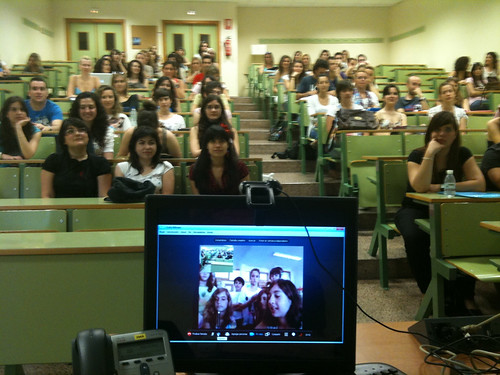
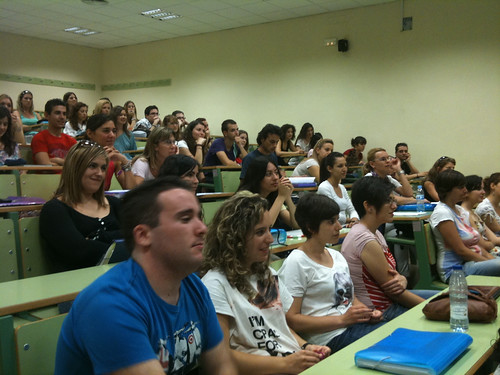
Here some pictures... enjoy... and see you, at least, in Southampton! 
&lt;br /&gt;
&lt;object width=&quot;280&quot; height=&quot;210&quot;&gt; &lt;param name=&quot;flashvars&quot; value=&quot;offsite=true&amp;amp;lang=es-us&amp;amp;page_show_url=%2Fsearch%2Fshow%2F%3Fq%3Dple_bcn&amp;amp;page_show_back_url=%2Fsearch%2F%3Fq%3Dple_bcn&amp;amp;method=flickr.photos.search&amp;amp;api_params_str=&amp;amp;api_text=ple_bcn&amp;amp;api_tag_mode=bool&amp;amp;api_media=all&amp;amp;api_sort=relevance&amp;amp;jump_to=&amp;amp;start_index=0&quot; /&gt; &lt;param name=&quot;movie&quot; value=&quot;http://www.flickr.com/apps/slideshow/show.swf?v=71649&quot; /&gt; &lt;param name=&quot;allowFullScreen&quot; value=&quot;true&quot; /&gt;&lt;embed type=&quot;application/x-shockwave-flash&quot; src=&quot;http://www.flickr.com/apps/slideshow/show.swf?v=71649&quot; allowFullScreen=&quot;true&quot; flashvars=&quot;offsite=true&amp;amp;lang=es-us&amp;amp;page_show_url=%2Fsearch%2Fshow%2F%3Fq%3Dple_bcn&amp;amp;page_show_back_url=%2Fsearch%2F%3Fq%3Dple_bcn&amp;amp;method=flickr.photos.search&amp;amp;api_params_str=&amp;amp;api_text=ple_bcn&amp;amp;api_tag_mode=bool&amp;amp;api_media=all&amp;amp;api_sort=relevance&amp;amp;jump_to=&amp;amp;start_index=0&quot; width=&quot;400&quot; height=&quot;300&quot;&gt;&lt;/embed&gt;&lt;/object&gt;&lt;div class=&quot;item_footer&quot;&gt;&lt;p&gt;&lt;small&gt;&lt;a href=&quot;http://lindacastaneda.com/mushware/index.php/2010/07/28/plebcn&quot;&gt;Original post&lt;/a&gt; blogged on &lt;a href=&quot;http://b2evolution.net/&quot;&gt;b2evolution&lt;/a&gt;.&lt;/small&gt;&lt;/p&gt;&lt;/div&gt;</description>
			<content:encoded><![CDATA[It was almost a month ago and I haven't had time to write anything about this.... This is a blog in Spanish, and I&#8217;m not very correct explaining myself in English, Nevertheless I want to write this in English to share it with all the PLE_bcn people to ask them for their comments if they want....<br />

It was almost a month  ago and it seems to be more time... Time flies when you miss something....<br />


The PLE Conference is, without any doubt, one of the more interesting projects/events/situations I have been involved ever. And PLE Conference 2010 was a wonderful first opportunity to made this project touchable.
Some months ago I have invited you to Barcelona, and now I'm looking forward to being in Southapmton in july 2011 (follow #ple_sou).... O maybe being able to go back to Bar&#231;a again (yes, I know, I'm too nostalgic some times :-)). PLE conference, from the beginning (my friend <a href="http://knowmansland.com/learningpath/?p=574">Cristina Costa has made a great post were she explain how it was born</a>) wanted to be a different event, and I'm sure people involved in this #ple_bcn (the hashtag of the PLE conference 2010), all of us, have done it different and continue doing this...<br />


The incredible thing was I had the opportunity to attend it from the very beginning and from a privileged place... Close to all of you.<br />


From I was back from bcn I have made some reflections every day about the conference, I don&#8217;t have time, space and words enough to express all of them, But I think there are some remarkable reflections about some special characteristics of the conference that I want to share with you:<br />


The first remarkable from the very beginning of this adventure (yes, I'm sure this is an intense adventure) is that there isn't almost anything normal in the preparing of the conference; everything was informal, dynamic but at the same time, everything was prepared very seriously. The conference had a wonderful <a href="http://pleconference.citilab.eu/?page_id=52">academic committee</a> plenty of VIPs who take their role in the revision of papers in  very rigorous way. Everybody (academic committee and also helpers and chairs) seemed to be included in the project in a very deep and enthusiastic way, everybody wanted to work WITH us (the organising committee), and from my point of view, we get the goal<br />

<br />
<strong>PLE_BCN was (is) very informal but rigorous</strong><br />
<br />

There were 4 keynote speakers (2 from Spain and 2 from outside ;-)) with more than an incredible curriculum and very well known (en espa&#241;ol dir&#237;amos que de reconocido prestigio), Alec Couros (<a href="http://educationaltechnology.ca/couros/">@courosa</a>), Graham Attwell (<a href="http://www.pontydysgu.org/">@grahamattwell</a>), Jordi Adell (<a href="http://elbonia.cent.uji.es/jordi">@jordi_a</a>) e Ismael Pe&#241;a-L&#243;pez (<a href="http://ictlogy.net/">@ictlogist</a>), who not only accepted to come by the pleasure of come ;-), in addition to this they accepted the idea of don't make a "typical" keynote. They had to prepare an "experience" together but including the participation of the public, before the conference (basically in twitter, but including some videos, wikis, googledocs, discussions and so on) and during the conference, something collective, collaborative, dynamic... And they done it :-)... And even more, they join us in the whole conference, in coffees, discussions, other presentations, and more :-)
<br />

Is not too common for me to see the "stars" from so close, and it was wonderful see them down the flooring, sharing with all of us a bit of their light... And the best is to test that their shine mixed with the light of every participant (they all have their own shine and light) made a wonderful shine for all of us... At the end we had lot of light for everybody.<br />
<br />

<strong>PLE_BCN was plenty of light and shine :-)</strong>
<br /><br />

We also invited to participants to present their proposals and papers in new and different formats. The idea was to avoid the doom of listening traditional and boring expositions of papers and papers for two loooooooong days... In change of this, every chair of session (thanks to all of them) could negotiate with the presenters to dynamite the session using different formats...<br />


I also had the opportunity to chair a session in Spanish, where I finnaly meet personally @lernys, @ainhoaeus  and (en dos patas a nuestro torito) @eraser (there are some pictures of his face :-))... Also I had chairing and sharing the incredible Pechakucha session in Spanish (thanks to @marett @lernys @monvall @ramonovelar @ocasquero, you are  INCREDIBLY brave and daring accepting this challenge), and it was enormous exciting, interesting and fun...<br />
<br />
 
<strong>PLE_BCN was excinting, interesting and fun!</strong><br />

<br />
Moreover, we did a beat about language. When we talked about the PLE Conference in Barcelona, we discussed about the need of opening a Spanish strand (as a detail for people from Spain), and to include a Keynote in Spanish (with the translation in English)&#8230;
<br />
 
The idea was not complicate the things&#8230; we know we can have keynotes in English, and almost everybody in the conference speak in English BUT, from our point of view, language is a question not only about words, is also about how people think and how they structure their minds and discourses; and , I have (we have actually) the impression that English is a wonderful common language for the most of sciences, BUT we must have the opportunity to listen to other ways to think in different languages as well (there is science and thought outside English)&#8230; I imagine, English native speakers don&#8217;t use to need any translator habitually in conferences. I know for some of them was quite strange to have to put into their heads the headphones to understand, BUT we love new experiences, even more, when they could give us other visions and enrich our owns&#8230;<br />


My blog is in Spanish (mostly), because of Spanish is my mother tongue. Consequently, I&#8217;m feeling more comfortable in Spanish&#8230; I can express myself in English (indeed, I have the hope I can do it in any language by signs), BUT is t is not a question of express myself, is a question to express completely and freely, entirely wide open in a language, with every nuances I want to put into my reflections.<br />

 
I love the idea of having a multilingual conference...<br />

 <br />
<strong>An PLE_bcn was multilingual!</strong><br />

<br />
Also it was fantastic to see many people from very different environments (most of them I meet before f2f and on twitter), people from European projects, from universities all around the world, from big associations in Europe, Spain and Latin-America (EATEL, EDUTEC), from schools, from non-formal learning institutions, from government... With technical background, with pedagogical background...<br />
<br />

<strong>PLE_BCN was eclectic... And included multiple points of view!</strong><br />
 <br />

There are many details to comment, but I don&#8217;t have time, space even words to say more... Well only I think the most important one... Without the people who made this conference it hasn't been the same... And I'm not talking about Ricardo (our ubiquitous president), Graham (the spirit of PLE conference), Cris, Maria, Andrea, Ilona, Tobias.... I'm talking about YOU... <strong>without all of you, PLE_BCN people, it couldn't have been the same.... And it was fantastic...</strong><br />


Thank you and sorry for a big post and my terrible English<br />
<br />
<br />
Here some pictures... enjoy... and see you, at least, in Southampton! 
<br />
<object width="280" height="210"> <param name="flashvars" value="offsite=true&amp;lang=es-us&amp;page_show_url=%2Fsearch%2Fshow%2F%3Fq%3Dple_bcn&amp;page_show_back_url=%2Fsearch%2F%3Fq%3Dple_bcn&amp;method=flickr.photos.search&amp;api_params_str=&amp;api_text=ple_bcn&amp;api_tag_mode=bool&amp;api_media=all&amp;api_sort=relevance&amp;jump_to=&amp;start_index=0" /> <param name="movie" value="http://www.flickr.com/apps/slideshow/show.swf?v=71649" /> <param name="allowFullScreen" value="true" /><embed type="application/x-shockwave-flash" src="http://www.flickr.com/apps/slideshow/show.swf?v=71649" allowFullScreen="true" flashvars="offsite=true&amp;lang=es-us&amp;page_show_url=%2Fsearch%2Fshow%2F%3Fq%3Dple_bcn&amp;page_show_back_url=%2Fsearch%2F%3Fq%3Dple_bcn&amp;method=flickr.photos.search&amp;api_params_str=&amp;api_text=ple_bcn&amp;api_tag_mode=bool&amp;api_media=all&amp;api_sort=relevance&amp;jump_to=&amp;start_index=0" width="400" height="300"></embed></object><div class="item_footer"><p><small><a href="http://lindacastaneda.com/mushware/index.php/2010/07/28/plebcn">Original post</a> blogged on <a href="http://b2evolution.net/">b2evolution</a>.</small></p></div>]]></content:encoded>
								<comments>http://lindacastaneda.com/mushware/index.php/2010/07/28/plebcn#comments</comments>
		</item>
				<item>
			<title>Aprendizaje con Redes Sociales.Tejidos educativos para los nuevos entornos</title>
			<link>http://lindacastaneda.com/mushware/index.php/2010/07/15/libroredes</link>
			<pubDate>Thu, 15 Jul 2010 11:37:15 +0000</pubDate>			<dc:creator>Linda Casta&#241;eda</dc:creator>
			<category domain="alt">Reflexiones</category>
<category domain="main">Novedades</category>			<guid isPermaLink="false">129@http://lindacastaneda.com/mushware/</guid>
						<description>&lt;p&gt;No ten&amp;#237;a pensado hacerlo, me sigue dando un poco de reparo eso de hacer publicidad de lo que hago o escribo, siempre creo que puedo hacerlo mejor, que es prescindible o que ya est&amp;#225; dicho&amp;#8230; y seguramente tengo raz&amp;#243;n, pero este es un post a prop&amp;#243;sito, m&amp;#225;s que del producto, de lo que significa. Por primera vez en mi vida, un libro lleva en su tapa mi nombre :-) mirad:&lt;/p&gt;

&lt;p&gt;&lt;img align=&quot;centre&quot; src=&quot;http://www.mad.es/portadas/9788467636192.jpg?0,6226967&quot; alt=&quot;portada del libro&quot; title=&quot;Aprendizaje con redes sociales. &quot; /&gt;&lt;/p&gt;

&lt;p&gt;A ver, que lo explico mejor.&lt;/p&gt;

&lt;p&gt;Hace unos meses, la editorial MAD Eduforma y el director editorial de su serie de innovaci&amp;#243;n escolar (Dr. Julio Cabero Almenara) decidieron confiar en m&amp;#237; para que coordinase un libro dirigido a profesores, que se centrara en el an&amp;#225;lisis de las Redes Sociales. Yo ya he escrito alguna cosilla en otros sitios, pero nunca hasta ahora hab&amp;#237;a tenido la responsabilidad de coordinar uno.&lt;/p&gt;

&lt;p&gt;Como bien sab&amp;#233;is soy una entusiasta de todo lo que hago, as&amp;#237; que &amp;#8211;con todas las limitaciones que una publicaci&amp;#243;n de estas caracter&amp;#237;sticas tiene- decid&amp;#237; asumir esta nueva tarea de la mejor forma posible, con todo mi empe&amp;#241;o y con&amp;#8230; eso, entusiasmo. Es una oportunidad extraordinaria, m&amp;#225;s para alguien como yo, y aprovechar las oportunidades de la mejor manera posible, creo que es una obligaci&amp;#243;n siempre. Una oportunidad es siempre un honor y una responsabilidad.&lt;/p&gt;

&lt;p&gt;La idea era conseguir recopilar en un solo libro, desde una clarificaci&amp;#243;n de ideas sobre qu&amp;#233; son las redes sociales, qu&amp;#233; han sido, a qu&amp;#233; realidad tecnol&amp;#243;gica responden hasta, c&amp;#243;mo no algunas perspectivas concretas sobre su uso en las aulas. La idea era hacer un libro de lectura sencilla pero interesante, con un hilo evidente que se enredara (nunca mejor dicho) en la propia mente del lector y que le permitiese ver con otros ojos, ese mundo de redes sociales que &amp;#8211;afortunadamente- nos rodean cada vez m&amp;#225;s.&lt;/p&gt;

&lt;p&gt;Para ello, he tenido la oportunidad de contar con un elenco de gente fant&amp;#225;stica que ha escrito los cap&amp;#237;tulos y que se han prestado al juego :-), a ellos quisiera agradecer enormemente su ayuda (M&amp;#170; Paz Prendes, Isabel Guti&amp;#233;rrez, Maria del Mar S&amp;#225;nchez, Raquel Crespo, Jos&amp;#233; Jes&amp;#250;s Garc&amp;#237;a, Mar Camacho, Trinidad Rodr&amp;#237;guez, Carmen Llorente, Paco Mart&amp;#237;nez  e Isabel Solano).  Una vez con el resultado en la mano &amp;#8211;y desde el enorme respeto y la terrible sensaci&amp;#243;n de que siempre puede ser mucho mejor- creo que hemos conseguido lo que pretend&amp;#237;amos.&lt;/p&gt;

&lt;p&gt;Cuando hablamos de un producto que se vende por dinero, es casi imposible no hacer publicidad, pero no es la intenci&amp;#243;n de este post. Espero sinceramente que los lectores del trabajo que recogemos en ese libro encuentren cosas interesantes para reflexionar en &amp;#233;l, o esquemas &amp;#250;tiles que les ayuden a enredarse m&amp;#225;s&amp;#8230; &lt;/p&gt;

&lt;p&gt;Yo por mi parte he disfrutado mucho del trabajo realizado, del proceso de organizaci&amp;#243;n, de la libertad  que pude tener, para m&amp;#237; ha sido un proceso de aprendizaje en s&amp;#237; mismo, y las aportaciones de mis compa&amp;#241;eros han sido tambi&amp;#233;n una gran fuente de nuevas perspectivas para mirar. Espero que si alguno lo lee pueda encontrar cosas sugerentes, al menos tantas, como las que nosotros le encontramos.&lt;/p&gt;

&lt;p&gt;Por eso, este es un post de agradecimiento, gracias por la oportunidad.  Espero haber respondido m&amp;#237;nimamente a la confianza depositada. &lt;/p&gt;

&lt;p&gt;Si quer&amp;#233;is ver d&amp;#243;nde est&amp;#225; el libro aqu&amp;#237; ten&amp;#233;is el enlace a la web de la editorial:&lt;br /&gt;
&lt;a href=&quot;http://www.trillaseduforma.com/APRENDIZAJE-CON-REDES-SOCIALESTEJIDOS-EDUCATIVOS-PARA-LOS-NUEVOS-ENTORNOS-isbn-9788467636192.html&quot;&gt;http://www.trillaseduforma.com/APRENDIZAJE-CON-REDES-SOCIALESTEJIDOS-EDUCATIVOS-PARA-LOS-NUEVOS-ENTORNOS-isbn-9788467636192.html&lt;/a&gt;&lt;/p&gt;&lt;div class=&quot;item_footer&quot;&gt;&lt;p&gt;&lt;small&gt;&lt;a href=&quot;http://lindacastaneda.com/mushware/index.php/2010/07/15/libroredes&quot;&gt;Original post&lt;/a&gt; blogged on &lt;a href=&quot;http://b2evolution.net/&quot;&gt;b2evolution&lt;/a&gt;.&lt;/small&gt;&lt;/p&gt;&lt;/div&gt;</description>
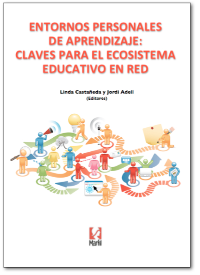
			<content:encoded><![CDATA[<p>No ten&#237;a pensado hacerlo, me sigue dando un poco de reparo eso de hacer publicidad de lo que hago o escribo, siempre creo que puedo hacerlo mejor, que es prescindible o que ya est&#225; dicho&#8230; y seguramente tengo raz&#243;n, pero este es un post a prop&#243;sito, m&#225;s que del producto, de lo que significa. Por primera vez en mi vida, un libro lleva en su tapa mi nombre :-) mirad:</p>

<p><img align="centre" src="http://www.mad.es/portadas/9788467636192.jpg?0,6226967" alt="portada del libro" title="Aprendizaje con redes sociales. " /></p>

<p>A ver, que lo explico mejor.</p>

<p>Hace unos meses, la editorial MAD Eduforma y el director editorial de su serie de innovaci&#243;n escolar (Dr. Julio Cabero Almenara) decidieron confiar en m&#237; para que coordinase un libro dirigido a profesores, que se centrara en el an&#225;lisis de las Redes Sociales. Yo ya he escrito alguna cosilla en otros sitios, pero nunca hasta ahora hab&#237;a tenido la responsabilidad de coordinar uno.</p>

<p>Como bien sab&#233;is soy una entusiasta de todo lo que hago, as&#237; que &#8211;con todas las limitaciones que una publicaci&#243;n de estas caracter&#237;sticas tiene- decid&#237; asumir esta nueva tarea de la mejor forma posible, con todo mi empe&#241;o y con&#8230; eso, entusiasmo. Es una oportunidad extraordinaria, m&#225;s para alguien como yo, y aprovechar las oportunidades de la mejor manera posible, creo que es una obligaci&#243;n siempre. Una oportunidad es siempre un honor y una responsabilidad.</p>

<p>La idea era conseguir recopilar en un solo libro, desde una clarificaci&#243;n de ideas sobre qu&#233; son las redes sociales, qu&#233; han sido, a qu&#233; realidad tecnol&#243;gica responden hasta, c&#243;mo no algunas perspectivas concretas sobre su uso en las aulas. La idea era hacer un libro de lectura sencilla pero interesante, con un hilo evidente que se enredara (nunca mejor dicho) en la propia mente del lector y que le permitiese ver con otros ojos, ese mundo de redes sociales que &#8211;afortunadamente- nos rodean cada vez m&#225;s.</p>

<p>Para ello, he tenido la oportunidad de contar con un elenco de gente fant&#225;stica que ha escrito los cap&#237;tulos y que se han prestado al juego :-), a ellos quisiera agradecer enormemente su ayuda (M&#170; Paz Prendes, Isabel Guti&#233;rrez, Maria del Mar S&#225;nchez, Raquel Crespo, Jos&#233; Jes&#250;s Garc&#237;a, Mar Camacho, Trinidad Rodr&#237;guez, Carmen Llorente, Paco Mart&#237;nez  e Isabel Solano).  Una vez con el resultado en la mano &#8211;y desde el enorme respeto y la terrible sensaci&#243;n de que siempre puede ser mucho mejor- creo que hemos conseguido lo que pretend&#237;amos.</p>

<p>Cuando hablamos de un producto que se vende por dinero, es casi imposible no hacer publicidad, pero no es la intenci&#243;n de este post. Espero sinceramente que los lectores del trabajo que recogemos en ese libro encuentren cosas interesantes para reflexionar en &#233;l, o esquemas &#250;tiles que les ayuden a enredarse m&#225;s&#8230; </p>

<p>Yo por mi parte he disfrutado mucho del trabajo realizado, del proceso de organizaci&#243;n, de la libertad  que pude tener, para m&#237; ha sido un proceso de aprendizaje en s&#237; mismo, y las aportaciones de mis compa&#241;eros han sido tambi&#233;n una gran fuente de nuevas perspectivas para mirar. Espero que si alguno lo lee pueda encontrar cosas sugerentes, al menos tantas, como las que nosotros le encontramos.</p>

<p>Por eso, este es un post de agradecimiento, gracias por la oportunidad.  Espero haber respondido m&#237;nimamente a la confianza depositada. </p>

<p>Si quer&#233;is ver d&#243;nde est&#225; el libro aqu&#237; ten&#233;is el enlace a la web de la editorial:<br />
<a href="http://www.trillaseduforma.com/APRENDIZAJE-CON-REDES-SOCIALESTEJIDOS-EDUCATIVOS-PARA-LOS-NUEVOS-ENTORNOS-isbn-9788467636192.html">http://www.trillaseduforma.com/APRENDIZAJE-CON-REDES-SOCIALESTEJIDOS-EDUCATIVOS-PARA-LOS-NUEVOS-ENTORNOS-isbn-9788467636192.html</a></p><div class="item_footer"><p><small><a href="http://lindacastaneda.com/mushware/index.php/2010/07/15/libroredes">Original post</a> blogged on <a href="http://b2evolution.net/">b2evolution</a>.</small></p></div>]]></content:encoded>
								<comments>http://lindacastaneda.com/mushware/index.php/2010/07/15/libroredes#comments</comments>
		</item>
				<item>
			<title>Mi Identidad Digital</title>
			<link>http://lindacastaneda.com/mushware/index.php/2010/06/11/digitalidentity</link>
			<pubDate>Fri, 11 Jun 2010 14:34:14 +0000</pubDate>			<dc:creator>Linda Casta&#241;eda</dc:creator>
			<category domain="main">Reflexiones</category>
<category domain="alt">Pedagog&#237;a</category>
<category domain="alt">Web 2.0</category>			<guid isPermaLink="false">128@http://lindacastaneda.com/mushware/</guid>
						<description>&lt;p&gt;Hace alg&amp;#250;n tiempo me pidieron desde el proyecto Rhizome que respondiera a algunas preguntas relacionadas con mi identidad digital...&lt;br /&gt;
En su momento respond&amp;#237; y me olvid&amp;#233;, pero hoy que ando con cosas de Identidad Digital en medio lo record&amp;#233; y pens&amp;#233; que, ya que tengo un poco abandonado mi blog estos meses, no estar&amp;#237;a mal compartirlo con todos vosotros. En su momento lo escrib&amp;#237; en ingl&amp;#233;s (mi ingl&amp;#233;s, perd&amp;#243;n por los errores), y pens&amp;#233; en traducirlo, pero si debo esperar a tener tiempo para traducirlo no lo pongo, as&amp;#237; que usad la herramienta de traducci&amp;#243;n de ah&amp;#237; al lado si quer&amp;#233;is :-)&lt;/p&gt;

&lt;p&gt;&lt;strong&gt;What does the term &amp;#8216;digital identity&amp;#8217; mean to me?&lt;br /&gt;
&lt;/strong&gt;&lt;/p&gt;

&lt;p&gt;&amp;#8220;Digital identity&amp;#8221; is &amp;#8211;in my humble opinion- an artificial word construction as almost everything with the word digital in the beginning, and which is used to call something we have normally in the face to face environment (and we know very well), and we have found that we have also this in the Web.&lt;br /&gt;
Therefore, the digital Identity means to me the part of our identity which is expressed and perceived in the digital world. If I could use a metaphor to express what DI is for me I would use the reflection of you in the mirror, in this case in the digital mirror, is not you complete, but definitively it is you. &lt;/p&gt;

&lt;p&gt;&lt;strong&gt;Is my digital identity &amp;#8216;me&amp;#8217;? Why? &lt;br /&gt;
&lt;/strong&gt;&lt;br /&gt;
Yes, as in the mirror, the image about me reflected on my DI is me.&lt;br /&gt;
Probably is not myself complete -as entire and complex being-, people have so many different sides to be analized, therefore is very difficult find a complete &amp;#8220;abstract&amp;#8221; or compendium about each person. Nevertheless, DI definitively is the image of mine to the connected world. So virtually, in my opinion, is &amp;#8220;me&amp;#8221; for the rest of the world. &lt;br /&gt;
No in vain, I have build this identity step by step, the majority of it consciously, and it is conformed and delimited by my public facts, desires, opinions, decisions, friends, groups, discussions, publications, comments, arguments, and so on. In the same way than my &amp;#8220;non virtual&amp;#8221; identity is. &lt;br /&gt;
Indeed, almost each one of my online actions has influence in my digital identity.&lt;br /&gt;
In the best case, you try to build and show the image you think is the best; for you this is what you want to be. However, your friends (and their DI) and your community of reference reveal to the rest of the connected world your affinities as well, in the same way as your enemies or kind arguments reveal what do you love, or what do you hate. People who admire you or reference you, shows your influence, relevance and power. Consequently, you, your connections and the connections from other (individuals or communities) to you, configure your image, your identity. &lt;br /&gt;
In the end, everything combined constitute you DI (personal and professional) and, finally, your DI is a mix between you individual understanding about yourself, and the understanding of you than the community (even different communities) have about you.&lt;/p&gt;

&lt;p&gt;&lt;img src=&quot;http://farm5.static.flickr.com/4052/4690963216_7a5903137e_b.jpg&quot; alt=&quot;DI&quot; title=&quot;Casta&amp;#241;eda's Digital Identity components diagram&quot; /&gt;&lt;/p&gt;

&lt;p&gt;Our identity expresses who are we to ourselves and to the rest of the world, and our digital identity is currently an active part of it.&lt;/p&gt;

&lt;p&gt;&lt;strong&gt;How and in what ways is digital identity important in education?&lt;br /&gt;
&lt;/strong&gt;&lt;br /&gt;
DI is getting more and more important because the limits between digital and non-digital world are less clear than ever. Nowadays, the digital life of people is a perfectly active part of their complete life, and in this life DI has a big importance. &lt;br /&gt;
Education is the cultural more active action to help people to be better adapted to life. Then DI has to be a key part of education at any level.&lt;br /&gt;
In the basic education, the main goal is try to provide to the person a minimum cultural salary to have the opportunity to survive successfully (as person and citizen) in the world. Basic processes of socialization are being carried out on-line (as example social networking phenomena in teenagers), digital world is the current context to study, talk, play, and almost every social activity today and influences the social context of relationships in the &amp;#8220;physical world&amp;#8221;.&lt;br /&gt;
Consequently, basic education has to include some basic processes which try to help people to build and reinforce their identities; actually, basic education does. Nevertheless, until now it has only provided &amp;#8220;tools&amp;#8221; to build (even &amp;#8220;discover&amp;#8221;) the identity in the &amp;#8220;physical&amp;#8221; world, because a big part of these tools comes from our experience, and the majority of our experience (the educators&amp;#8217; experience) comes from the physical world. So the challenge now is including strategies and basic skills to successfully define our identity -also in the digital world- to empower the basic processes of personal development.&lt;br /&gt;
In the professional learning (initial or continuous), the challenge is the same.  A successful professional has to have a correct and powerful identity (physical and digital) because almost everything would be connected to it. Their knowledge, their circles of confidence, their friends and network of influence, power, employability, and so on, are defined by their identity. So the skill to manage successfully their identity would be crucial to be professionally successful as well. &lt;br /&gt;
Therefore, a key part of the professional learning has to include strategies to build and empower your digital identity, to define and administer &amp;#8211;not only correctly but profitably- who are you and who are people and collectives who define you and condition you. Basically, what do you know and from whom are you learning. At the same time you have to learn how to show all you want to show to others, and how to protect any part of your life you want to conserve private. &lt;br /&gt;
And all of this must be part of a good education nowadays.&lt;/p&gt;

&lt;p&gt;&lt;strong&gt;What skills and competencies do we need to manage our digital identity?&lt;br /&gt;
&lt;/strong&gt;&lt;br /&gt;
Managing our digital identity is a really complex thing. First of all, because it is difficult also in the face to face world; identity is a complex concept and you have to have a lot of competencies and skills related to your own personality and related to your links and friends, to manage it successfully. And secondly, it is difficult because almost everything &amp;#8220;digital&amp;#8221; is potentially new, and in the digital environment every day is changing and on it are appearing new people every moment, new channels, new ways of information, and connections between these channels that you maybe can not control, and nobody can help you with previous experience because of it is new for everybody.&lt;br /&gt;
Then managing your digital identity needs a combination between technical and personal competencies, competencies about managing yourself, and skills to manage your relationships to others. &lt;br /&gt;
Definitively you have to have basic skills about information (search, create, choose, recreate, communicate to &amp;#8211;oral, written &amp;amp; mutlimedia- and publish information effectively, not only how do it, so where), about networking (interaction, relationship building and maintaining. How and where); but, at the same time, you have to have skills and competencies as self-esteem, independency, continuous improvement orientation, initiative, judgment, planning/organizing, and so on; even you have to be competent in learning in digital environment when available and appropriate, as well as take care of privacy, intellectual property rights and security issues in the online context.&lt;/p&gt;

&lt;p&gt;&lt;strong&gt;What do you see as the current issue/s of concern surrounding digital identity&lt;br /&gt;
&lt;/strong&gt;&lt;br /&gt;
Nowadays, there are many topics surrounding DI. Probably, the two most important, at least in my context, are questions about security &amp;#8211;specially in children and teenagers- and questions about management of DI for adults.&lt;br /&gt;
Young people are using naturally online tools to interact to others (to study, to know people, to play, to play pranks, etc.) but they don&amp;#8217;t have the awareness of the level of publicity and the visibility of almost everything in the Web. They think The Web is invisible for their parents or for controlling people, so they can do almost whatever they want and it is fun. Nevertheless, awareness about security, the possibility to be discovered or published by someone is not a reality strongly perceived by them.&lt;br /&gt;
In the case of adults the big problem is also awareness. For adults, DI is conditioning their learning, employability, visibility, power and influence and they don&amp;#8217;t have enough awareness about the role of DI in all these points, or they don&amp;#8217;t have enough skills to develop this DI successfully.&lt;br /&gt;
Unfortunately, the &amp;#8220;solutions&amp;#8221; which are in the majority of texts and articles about this, talk about close identities and separated identities, about safe, not about awareness of public life, and about respect. &lt;/p&gt;

&lt;p&gt;&lt;strong&gt;What do you see as future issue/s of concern in the area of digital identity?&lt;br /&gt;
&lt;/strong&gt;&lt;br /&gt;
Probably in the immediate future, concerns about what kind and amount of data about us in different tools and databases could be public, and how to protect data we don&amp;#8217;t want to publish but we have to include in some places to get some services.&lt;br /&gt;
Another discussion would be about the nature of data from individuals which &amp;#8220;must&amp;#8221; be published by medical or security services to protect others. Evidently not only the nature, but also id there is any data which must be public or not.&lt;/p&gt;

&lt;p&gt;&lt;strong&gt;Which tools and services do you use to manage your digital identity? &lt;br /&gt;
&lt;/strong&gt;&lt;strong&gt;For example do you separate personal and professional identities?&lt;/strong&gt;&lt;/p&gt;

&lt;p&gt;I use too many online tools, especially social ones. I&amp;#8217;m singed up almost everywhere :-). However I use very frequently some of them to work and to live:&lt;br /&gt;
&amp;#8226; My web page.&lt;br /&gt;
&amp;#8226; Blog (personal and professional)&lt;br /&gt;
&amp;#8226; Twitter&lt;br /&gt;
&amp;#8226; Friendfeed&lt;br /&gt;
&amp;#8226; Instant messaging (Skype and Messenger)&lt;br /&gt;
&amp;#8226; Flickr&lt;br /&gt;
&amp;#8226; RSS-GReader&lt;br /&gt;
&amp;#8226; Xing &amp;amp; LinkedIn&lt;/p&gt;

&lt;p&gt;It is important remark that I use GReader not only to read about other people, I use it to read about me: indeed I read about what people are saying about me or who is linking my online issues. &lt;br /&gt;
On the same way, if you ask me about personal and professional identities, in my opinion the more crucial question is not about personal and professional (at least in my case), it is important, but is not so crucial. The big question is to separate what is private (and shouldn&amp;#8217;t be published) from what is public and try to don&amp;#8217;t break the limits between private and not private. The same as in the face to face world is.&lt;br /&gt;
I try to don&amp;#8217;t separate completely my personal identity from my professional identity; indeed I try to conserve some links between them. Nevertheless, at the same time, I use different tools for different proposes, I use for example one blog to talk about work, professional opinions, new papers I have read, and so on; and another blog to talk about my personal impressions or my personal experiences but, in both cases, everything I publish could be public. In the same way I use Flickr and have different collections, one about work, and another about free time, both are mine, and are very different, BUT both are public. &lt;br /&gt;
There are other environments and tools where I mix a bit more my personal and professional levels of relationship, for example Twitter, Blip.fm or Skype. And on the other hand I have some tools where I only have personal contacts (messenger) or professional contacts (Slideshare, different LMS I use, Xing or LinkedIn).&lt;br /&gt;
However, I&amp;#8217;m trying to build my DI based on my professional world but always with some drops about me as a person in the more personal level. And I think is because of me, I want to be a complete image in the mirror, and it needs some from myself as a professional and some from myself as a person.&lt;/p&gt;&lt;div class=&quot;item_footer&quot;&gt;&lt;p&gt;&lt;small&gt;&lt;a href=&quot;http://lindacastaneda.com/mushware/index.php/2010/06/11/digitalidentity&quot;&gt;Original post&lt;/a&gt; blogged on &lt;a href=&quot;http://b2evolution.net/&quot;&gt;b2evolution&lt;/a&gt;.&lt;/small&gt;&lt;/p&gt;&lt;/div&gt;</description>
			<content:encoded><![CDATA[<p>Hace alg&#250;n tiempo me pidieron desde el proyecto Rhizome que respondiera a algunas preguntas relacionadas con mi identidad digital...<br />
En su momento respond&#237; y me olvid&#233;, pero hoy que ando con cosas de Identidad Digital en medio lo record&#233; y pens&#233; que, ya que tengo un poco abandonado mi blog estos meses, no estar&#237;a mal compartirlo con todos vosotros. En su momento lo escrib&#237; en ingl&#233;s (mi ingl&#233;s, perd&#243;n por los errores), y pens&#233; en traducirlo, pero si debo esperar a tener tiempo para traducirlo no lo pongo, as&#237; que usad la herramienta de traducci&#243;n de ah&#237; al lado si quer&#233;is :-)</p>

<p><strong>What does the term &#8216;digital identity&#8217; mean to me?<br />
</strong></p>

<p>&#8220;Digital identity&#8221; is &#8211;in my humble opinion- an artificial word construction as almost everything with the word digital in the beginning, and which is used to call something we have normally in the face to face environment (and we know very well), and we have found that we have also this in the Web.<br />
Therefore, the digital Identity means to me the part of our identity which is expressed and perceived in the digital world. If I could use a metaphor to express what DI is for me I would use the reflection of you in the mirror, in this case in the digital mirror, is not you complete, but definitively it is you. </p>

<p><strong>Is my digital identity &#8216;me&#8217;? Why? <br />
</strong><br />
Yes, as in the mirror, the image about me reflected on my DI is me.<br />
Probably is not myself complete -as entire and complex being-, people have so many different sides to be analized, therefore is very difficult find a complete &#8220;abstract&#8221; or compendium about each person. Nevertheless, DI definitively is the image of mine to the connected world. So virtually, in my opinion, is &#8220;me&#8221; for the rest of the world. <br />
No in vain, I have build this identity step by step, the majority of it consciously, and it is conformed and delimited by my public facts, desires, opinions, decisions, friends, groups, discussions, publications, comments, arguments, and so on. In the same way than my &#8220;non virtual&#8221; identity is. <br />
Indeed, almost each one of my online actions has influence in my digital identity.<br />
In the best case, you try to build and show the image you think is the best; for you this is what you want to be. However, your friends (and their DI) and your community of reference reveal to the rest of the connected world your affinities as well, in the same way as your enemies or kind arguments reveal what do you love, or what do you hate. People who admire you or reference you, shows your influence, relevance and power. Consequently, you, your connections and the connections from other (individuals or communities) to you, configure your image, your identity. <br />
In the end, everything combined constitute you DI (personal and professional) and, finally, your DI is a mix between you individual understanding about yourself, and the understanding of you than the community (even different communities) have about you.</p>

<p><img src="http://farm5.static.flickr.com/4052/4690963216_7a5903137e_b.jpg" alt="DI" title="Casta&#241;eda's Digital Identity components diagram" /></p>

<p>Our identity expresses who are we to ourselves and to the rest of the world, and our digital identity is currently an active part of it.</p>

<p><strong>How and in what ways is digital identity important in education?<br />
</strong><br />
DI is getting more and more important because the limits between digital and non-digital world are less clear than ever. Nowadays, the digital life of people is a perfectly active part of their complete life, and in this life DI has a big importance. <br />
Education is the cultural more active action to help people to be better adapted to life. Then DI has to be a key part of education at any level.<br />
In the basic education, the main goal is try to provide to the person a minimum cultural salary to have the opportunity to survive successfully (as person and citizen) in the world. Basic processes of socialization are being carried out on-line (as example social networking phenomena in teenagers), digital world is the current context to study, talk, play, and almost every social activity today and influences the social context of relationships in the &#8220;physical world&#8221;.<br />
Consequently, basic education has to include some basic processes which try to help people to build and reinforce their identities; actually, basic education does. Nevertheless, until now it has only provided &#8220;tools&#8221; to build (even &#8220;discover&#8221;) the identity in the &#8220;physical&#8221; world, because a big part of these tools comes from our experience, and the majority of our experience (the educators&#8217; experience) comes from the physical world. So the challenge now is including strategies and basic skills to successfully define our identity -also in the digital world- to empower the basic processes of personal development.<br />
In the professional learning (initial or continuous), the challenge is the same.  A successful professional has to have a correct and powerful identity (physical and digital) because almost everything would be connected to it. Their knowledge, their circles of confidence, their friends and network of influence, power, employability, and so on, are defined by their identity. So the skill to manage successfully their identity would be crucial to be professionally successful as well. <br />
Therefore, a key part of the professional learning has to include strategies to build and empower your digital identity, to define and administer &#8211;not only correctly but profitably- who are you and who are people and collectives who define you and condition you. Basically, what do you know and from whom are you learning. At the same time you have to learn how to show all you want to show to others, and how to protect any part of your life you want to conserve private. <br />
And all of this must be part of a good education nowadays.</p>

<p><strong>What skills and competencies do we need to manage our digital identity?<br />
</strong><br />
Managing our digital identity is a really complex thing. First of all, because it is difficult also in the face to face world; identity is a complex concept and you have to have a lot of competencies and skills related to your own personality and related to your links and friends, to manage it successfully. And secondly, it is difficult because almost everything &#8220;digital&#8221; is potentially new, and in the digital environment every day is changing and on it are appearing new people every moment, new channels, new ways of information, and connections between these channels that you maybe can not control, and nobody can help you with previous experience because of it is new for everybody.<br />
Then managing your digital identity needs a combination between technical and personal competencies, competencies about managing yourself, and skills to manage your relationships to others. <br />
Definitively you have to have basic skills about information (search, create, choose, recreate, communicate to &#8211;oral, written &amp; mutlimedia- and publish information effectively, not only how do it, so where), about networking (interaction, relationship building and maintaining. How and where); but, at the same time, you have to have skills and competencies as self-esteem, independency, continuous improvement orientation, initiative, judgment, planning/organizing, and so on; even you have to be competent in learning in digital environment when available and appropriate, as well as take care of privacy, intellectual property rights and security issues in the online context.</p>

<p><strong>What do you see as the current issue/s of concern surrounding digital identity<br />
</strong><br />
Nowadays, there are many topics surrounding DI. Probably, the two most important, at least in my context, are questions about security &#8211;specially in children and teenagers- and questions about management of DI for adults.<br />
Young people are using naturally online tools to interact to others (to study, to know people, to play, to play pranks, etc.) but they don&#8217;t have the awareness of the level of publicity and the visibility of almost everything in the Web. They think The Web is invisible for their parents or for controlling people, so they can do almost whatever they want and it is fun. Nevertheless, awareness about security, the possibility to be discovered or published by someone is not a reality strongly perceived by them.<br />
In the case of adults the big problem is also awareness. For adults, DI is conditioning their learning, employability, visibility, power and influence and they don&#8217;t have enough awareness about the role of DI in all these points, or they don&#8217;t have enough skills to develop this DI successfully.<br />
Unfortunately, the &#8220;solutions&#8221; which are in the majority of texts and articles about this, talk about close identities and separated identities, about safe, not about awareness of public life, and about respect. </p>

<p><strong>What do you see as future issue/s of concern in the area of digital identity?<br />
</strong><br />
Probably in the immediate future, concerns about what kind and amount of data about us in different tools and databases could be public, and how to protect data we don&#8217;t want to publish but we have to include in some places to get some services.<br />
Another discussion would be about the nature of data from individuals which &#8220;must&#8221; be published by medical or security services to protect others. Evidently not only the nature, but also id there is any data which must be public or not.</p>

<p><strong>Which tools and services do you use to manage your digital identity? <br />
</strong><strong>For example do you separate personal and professional identities?</strong></p>

<p>I use too many online tools, especially social ones. I&#8217;m singed up almost everywhere :-). However I use very frequently some of them to work and to live:<br />
&#8226; My web page.<br />
&#8226; Blog (personal and professional)<br />
&#8226; Twitter<br />
&#8226; Friendfeed<br />
&#8226; Instant messaging (Skype and Messenger)<br />
&#8226; Flickr<br />
&#8226; RSS-GReader<br />
&#8226; Xing &amp; LinkedIn</p>

<p>It is important remark that I use GReader not only to read about other people, I use it to read about me: indeed I read about what people are saying about me or who is linking my online issues. <br />
On the same way, if you ask me about personal and professional identities, in my opinion the more crucial question is not about personal and professional (at least in my case), it is important, but is not so crucial. The big question is to separate what is private (and shouldn&#8217;t be published) from what is public and try to don&#8217;t break the limits between private and not private. The same as in the face to face world is.<br />
I try to don&#8217;t separate completely my personal identity from my professional identity; indeed I try to conserve some links between them. Nevertheless, at the same time, I use different tools for different proposes, I use for example one blog to talk about work, professional opinions, new papers I have read, and so on; and another blog to talk about my personal impressions or my personal experiences but, in both cases, everything I publish could be public. In the same way I use Flickr and have different collections, one about work, and another about free time, both are mine, and are very different, BUT both are public. <br />
There are other environments and tools where I mix a bit more my personal and professional levels of relationship, for example Twitter, Blip.fm or Skype. And on the other hand I have some tools where I only have personal contacts (messenger) or professional contacts (Slideshare, different LMS I use, Xing or LinkedIn).<br />
However, I&#8217;m trying to build my DI based on my professional world but always with some drops about me as a person in the more personal level. And I think is because of me, I want to be a complete image in the mirror, and it needs some from myself as a professional and some from myself as a person.</p><div class="item_footer"><p><small><a href="http://lindacastaneda.com/mushware/index.php/2010/06/11/digitalidentity">Original post</a> blogged on <a href="http://b2evolution.net/">b2evolution</a>.</small></p></div>]]></content:encoded>
								<comments>http://lindacastaneda.com/mushware/index.php/2010/06/11/digitalidentity#comments</comments>
		</item>
				<item>
			<title>Mapa Web 2.0  versi&#243;n 2010. Algunos apuntes r&#225;pidos</title>
			<link>http://lindacastaneda.com/mushware/index.php/2010/04/19/mapa20apuntes</link>
			<pubDate>Mon, 19 Apr 2010 17:57:27 +0000</pubDate>			<dc:creator>Linda Casta&#241;eda</dc:creator>
			<category domain="alt">Reflexiones</category>
<category domain="main">Web 2.0</category>			<guid isPermaLink="false">127@http://lindacastaneda.com/mushware/</guid>
						<description>&lt;p&gt;Acabo de ver en el twitter gracias a &lt;a href=&quot;http://twitter.com/ecutanda&quot;&gt;@ecutanda&lt;/a&gt; la nueva versi&amp;#243;n de &lt;a href=&quot;http://lindacastaneda.com/mushware/index.php/2007/11/29/web_2_0_algo_mas_que_herramientas&quot;&gt;este mapa&lt;/a&gt; de la Web 2.0 que en su momento me ense&amp;#241;o &lt;a href=&quot;http://twitter.com/isabelgp&quot;&gt;@isabelgp&lt;/a&gt; en versi&amp;#243;n bits y que tengo en versi&amp;#243;n &amp;#225;tomos gracias a la cortes&amp;#237;a de uno de sus autores &lt;a href=&quot;http://twitter.com/amfumero&quot;&gt;@amfumero&lt;/a&gt;.&lt;/p&gt;

&lt;p&gt;Esta es la versi&amp;#243;n 2010 (bueno, &amp;#250;ltimo trimestre de 2009 para ser exacta) del mapa de la Web 2.0&lt;/p&gt;

&lt;p&gt;&lt;img src=&quot;http://1.bp.blogspot.com/_CAScryoSUJY/S8xqRFxyQJI/AAAAAAAAHnA/TFR8EZbKlBI/s1600/mapaweb202010.png&quot; alt=&quot;web 2.0 version 2010&quot; title=&quot;web 2.0 version 2010&quot; /&gt;&lt;/p&gt;

&lt;p&gt;Escribamos algunos apuntes r&amp;#225;pidos al respecto&lt;/p&gt;

&lt;p&gt;&amp;#191;Diferencias?&lt;/p&gt;

&lt;p&gt;Desaparecen 4 grupos de aplicaciones del mapa: Aplicaciones en l&amp;#237;nea, recomendaciones de contenidos, buscadores 2.0 especializados y comunidades m&amp;#243;viles y de acceso.&lt;/p&gt;

&lt;p&gt;Aparecen como grupo de herramientas con entidad propia: microblogging, redes sociales movilidad y mapas y redes sociales tem&amp;#225;ticas.&lt;/p&gt;

&lt;p&gt;Llama la atenci&amp;#243;n respecto de las herramientas dadas como ejemplo que, con excepci&amp;#243;n de los de los sistemas de creaci&amp;#243;n y alojamiento y los de aplicaciones sobre mapas que se mantienen 2 a&amp;#241;os y medio despu&amp;#233;s,  en el resto de ejemplos ha habido nuevas incorporaciones y cambios que afectan a una o a la totalidad de los ejemplos de 2007, bien sea porque han desaparecido, han perdido relevancia, o porque han sido absorbidos por otros.&lt;/p&gt;

&lt;p&gt;Me gusta especialmente que as&amp;#237; como en 2007 el v&amp;#233;rtice crucial del mapa (en el &amp;#225;ngulo superior izquierdo eran los Blogs, hoy son en un lado los blogs y en otro las redes sociales. En un lado el individuo y en otro la red&amp;#8230;  la paradoja de esta sociedad: extrema personalizaci&amp;#243;n de servicios para compartir&amp;#8230;  crear tu PLE, entendiendo el aprendizaje como un proceso personal pero enriquecido por las redes de personas&amp;#8230;&lt;/p&gt;

&lt;p&gt;No comparto la clasificaci&amp;#243;n de las redes sociales (pendiente un post al respecto), ni la posici&amp;#243;n del microblogging en el mapa, de hecho cambiar&amp;#237;a alguna cosa de posici&amp;#243;n&amp;#8230; pero en general me gusta y resulta interesante para ver la Web &amp;#8220;de un tir&amp;#243;n&amp;#8221;&amp;#8230; y para hacer alguna reflexi&amp;#243;n al respecto&amp;#8230;&lt;/p&gt;

&lt;p&gt;Seguro que mientras escribo esto y vosotros lo le&amp;#233;is ya ha cambiado de nuevo&amp;#8230;&lt;/p&gt;

&lt;p&gt;En fin, como dir&amp;#237;a Downes (2008) &amp;#8220;Lo que en 1997 se planteaba como una posibilidad del futuro es hoy una realidad, y una realidad que ha superado con creces muchas de nuestras m&amp;#225;s optimistas predicciones&amp;#8221;&amp;#8230;&lt;/p&gt;

&lt;p&gt;Aunque si lo dijo en 2008 a lo mejor ya ha superado incluso ese pensamiento&amp;#8230; :-)&lt;/p&gt;

&lt;p&gt;Por cierto, el mapa en versi&amp;#243;n completa pdf aqu&amp;#237; &lt;a href=&quot;http://www.lacatedralonline.es/innova/system/Document/attachments/3651/original/Mapa-Web20-LC.pdf&quot;&gt;http://www.lacatedralonline.es/innova/system/Document/attachments/3651/original/Mapa-Web20-LC.pdf &lt;/a&gt;&lt;/p&gt;&lt;div class=&quot;item_footer&quot;&gt;&lt;p&gt;&lt;small&gt;&lt;a href=&quot;http://lindacastaneda.com/mushware/index.php/2010/04/19/mapa20apuntes&quot;&gt;Original post&lt;/a&gt; blogged on &lt;a href=&quot;http://b2evolution.net/&quot;&gt;b2evolution&lt;/a&gt;.&lt;/small&gt;&lt;/p&gt;&lt;/div&gt;</description>
			<content:encoded><![CDATA[<p>Acabo de ver en el twitter gracias a <a href="http://twitter.com/ecutanda">@ecutanda</a> la nueva versi&#243;n de <a href="http://lindacastaneda.com/mushware/index.php/2007/11/29/web_2_0_algo_mas_que_herramientas">este mapa</a> de la Web 2.0 que en su momento me ense&#241;o <a href="http://twitter.com/isabelgp">@isabelgp</a> en versi&#243;n bits y que tengo en versi&#243;n &#225;tomos gracias a la cortes&#237;a de uno de sus autores <a href="http://twitter.com/amfumero">@amfumero</a>.</p>

<p>Esta es la versi&#243;n 2010 (bueno, &#250;ltimo trimestre de 2009 para ser exacta) del mapa de la Web 2.0</p>

<p><img src="http://1.bp.blogspot.com/_CAScryoSUJY/S8xqRFxyQJI/AAAAAAAAHnA/TFR8EZbKlBI/s1600/mapaweb202010.png" alt="web 2.0 version 2010" title="web 2.0 version 2010" /></p>

<p>Escribamos algunos apuntes r&#225;pidos al respecto</p>

<p>&#191;Diferencias?</p>

<p>Desaparecen 4 grupos de aplicaciones del mapa: Aplicaciones en l&#237;nea, recomendaciones de contenidos, buscadores 2.0 especializados y comunidades m&#243;viles y de acceso.</p>

<p>Aparecen como grupo de herramientas con entidad propia: microblogging, redes sociales movilidad y mapas y redes sociales tem&#225;ticas.</p>

<p>Llama la atenci&#243;n respecto de las herramientas dadas como ejemplo que, con excepci&#243;n de los de los sistemas de creaci&#243;n y alojamiento y los de aplicaciones sobre mapas que se mantienen 2 a&#241;os y medio despu&#233;s,  en el resto de ejemplos ha habido nuevas incorporaciones y cambios que afectan a una o a la totalidad de los ejemplos de 2007, bien sea porque han desaparecido, han perdido relevancia, o porque han sido absorbidos por otros.</p>

<p>Me gusta especialmente que as&#237; como en 2007 el v&#233;rtice crucial del mapa (en el &#225;ngulo superior izquierdo eran los Blogs, hoy son en un lado los blogs y en otro las redes sociales. En un lado el individuo y en otro la red&#8230;  la paradoja de esta sociedad: extrema personalizaci&#243;n de servicios para compartir&#8230;  crear tu PLE, entendiendo el aprendizaje como un proceso personal pero enriquecido por las redes de personas&#8230;</p>

<p>No comparto la clasificaci&#243;n de las redes sociales (pendiente un post al respecto), ni la posici&#243;n del microblogging en el mapa, de hecho cambiar&#237;a alguna cosa de posici&#243;n&#8230; pero en general me gusta y resulta interesante para ver la Web &#8220;de un tir&#243;n&#8221;&#8230; y para hacer alguna reflexi&#243;n al respecto&#8230;</p>

<p>Seguro que mientras escribo esto y vosotros lo le&#233;is ya ha cambiado de nuevo&#8230;</p>

<p>En fin, como dir&#237;a Downes (2008) &#8220;Lo que en 1997 se planteaba como una posibilidad del futuro es hoy una realidad, y una realidad que ha superado con creces muchas de nuestras m&#225;s optimistas predicciones&#8221;&#8230;</p>

<p>Aunque si lo dijo en 2008 a lo mejor ya ha superado incluso ese pensamiento&#8230; :-)</p>

<p>Por cierto, el mapa en versi&#243;n completa pdf aqu&#237; <a href="http://www.lacatedralonline.es/innova/system/Document/attachments/3651/original/Mapa-Web20-LC.pdf">http://www.lacatedralonline.es/innova/system/Document/attachments/3651/original/Mapa-Web20-LC.pdf </a></p><div class="item_footer"><p><small><a href="http://lindacastaneda.com/mushware/index.php/2010/04/19/mapa20apuntes">Original post</a> blogged on <a href="http://b2evolution.net/">b2evolution</a>.</small></p></div>]]></content:encoded>
								<comments>http://lindacastaneda.com/mushware/index.php/2010/04/19/mapa20apuntes#comments</comments>
		</item>
				<item>
			<title>ICT Models en Madrid, lo que lee Siemens</title>
			<link>http://lindacastaneda.com/mushware/index.php/2010/03/21/leesiemens</link>
			<pubDate>Sun, 21 Mar 2010 07:49:03 +0000</pubDate>			<dc:creator>Linda Casta&#241;eda</dc:creator>
			<category domain="alt">Reflexiones</category>
<category domain="alt">Pedagog&#237;a</category>
<category domain="alt">Congresos</category>
<category domain="main">Eventos</category>			<guid isPermaLink="false">126@http://lindacastaneda.com/mushware/</guid>
						<description>&lt;p&gt;Esta semana se ha llevado a cabo en Madrid el evento Models of ICT integration. Una reuni&amp;#243;n de trabajo a nivel europeo en la que se reun&amp;#237;an expertos, altos cargos estatales, instituciones, empresas y alg&amp;#250;n invitado, para hablar de Nuevas Tecnolog&amp;#237;as y Educaci&amp;#243;n. &lt;a href=&quot;http://www.elearningeuropa.info/files/media/media21982.pdf&quot;&gt;http://www.elearningeuropa.info/files/media/media21982.pdf&lt;/a&gt;&lt;/p&gt;

&lt;p&gt;He ido haciendo el seguimiento de la misma que he podido a trav&amp;#233;s de twitter (con el hashtag #ictmodels pod&amp;#233;is ver lo que se dijo all&amp;#237;) y,  aparte de mucho marketing empresarial e institucional, hemos seguido &amp;#8211;aunque de lejos- algunas intervenciones de expertos (en educaci&amp;#243;n y en nuevas tecnolog&amp;#237;as) que parecen haber sido especialmente interesantes (a ver si nos suben el video y podemos verles en acci&amp;#243;n). &lt;/p&gt;

&lt;p&gt;Una de esas intervenciones, estuvo a cargo de George Siemens, quien adem&amp;#225;s tuvo el detalle de colgar su presentaci&amp;#243;n nada m&amp;#225;s terminar su exposici&amp;#243;n. Tras ojearla siempre nos queda m&amp;#225;s de una idea sugerente para repasar y el disgusto de hab&amp;#233;rnoslo perdido ;-)&lt;/p&gt;

&lt;p&gt;Para mermar dicho disgusto ;-), y por sugerencia de un profesor, colega y compa&amp;#241;ero, he intentado ver tras los ojos de Siemens, as&amp;#237;, he descargado su presentaci&amp;#243;n y he revisado las fuentes de los datos (tengo algunas pendientes de leer :-)), de manera que pudiera tener una idea m&amp;#225;s amplia del discurso mismo de Siemens antes incluso de ver el video y, quien sabe, hacer tal vez alguna reflexi&amp;#243;n extra. No tenemos referencia de la propuesta misma de Siemens, pero s&amp;#237; de los argumentos que  esgrimi&amp;#243; como base de la misma y de los cuales nos ofreci&amp;#243; referencia.&lt;/p&gt;

&lt;p&gt;Ahora quedaba compartirlo. Aqu&amp;#237; ten&amp;#233;is la lista de las fuentes, por si os apetece asomaros tambi&amp;#233;n detr&amp;#225;s de los ojos de Siemens a todo, a una parte, o a alguna de las ideas que utiliz&amp;#243; como argumentaci&amp;#243;n en su discurso.&lt;/p&gt;

&lt;p&gt;Aqu&amp;#237; la presentaci&amp;#243;n:&lt;/p&gt;
&lt;div style=&quot;width:425px&quot; id=&quot;__ss_3443341&quot;&gt;&lt;strong style=&quot;display:block;margin:12px 0 4px&quot;&gt;&lt;a href=&quot;http://www.slideshare.net/gsiemens/madriduepresidency&quot; title=&quot;Madrid_EU_Presidency&quot;&gt;Madrid_EU_Presidency&lt;/a&gt;&lt;/strong&gt;&lt;object width=&quot;425&quot; height=&quot;355&quot;&gt;&lt;param name=&quot;movie&quot; value=&quot;http://static.slidesharecdn.com/swf/ssplayer2.swf?doc=madrideupresidency-100316024118-phpapp02&amp;amp;stripped_title=madriduepresidency&quot; /&gt;&lt;param name=&quot;allowFullScreen&quot; value=&quot;true&quot; /&gt;&lt;param name=&quot;allowScriptAccess&quot; value=&quot;always&quot; /&gt;&lt;embed src=&quot;http://static.slidesharecdn.com/swf/ssplayer2.swf?doc=madrideupresidency-100316024118-phpapp02&amp;amp;stripped_title=madriduepresidency&quot; type=&quot;application/x-shockwave-flash&quot; allowscriptaccess=&quot;always&quot; allowfullscreen=&quot;true&quot; width=&quot;425&quot; height=&quot;355&quot;&gt;&lt;/embed&gt;&lt;/object&gt;&lt;div style=&quot;padding:5px 0 12px&quot;&gt;View more &lt;a href=&quot;http://www.slideshare.net/&quot;&gt;presentations&lt;/a&gt; from &lt;a href=&quot;http://www.slideshare.net/gsiemens&quot;&gt;gsiemens&lt;/a&gt;.&lt;/div&gt;&lt;/div&gt;&lt;p&gt;&lt;/p&gt;

&lt;p&gt;Y aqu&amp;#237; las referencias:&lt;/p&gt;

&lt;p&gt;Education at a Glance OECD Indicators 2008&lt;br /&gt;
&lt;a href=&quot;http://browse.oecdbookshop.org/oecd/pdfs/browseit/9608041E.PDF&quot;&gt;http://browse.oecdbookshop.org/oecd/pdfs/browseit/9608041E.PDF&lt;/a&gt;&lt;br /&gt;
resumen en Espa&amp;#241;ol:&lt;br /&gt;
&lt;a href=&quot;http://browse.oecdbookshop.org/oecd/pdfs/browseit/9608044E5.PDF&quot;&gt;http://browse.oecdbookshop.org/oecd/pdfs/browseit/9608044E5.PDF&lt;/a&gt;&lt;br /&gt;
Datos de 2009&lt;br /&gt;
&lt;a href=&quot;http://www.oei.es/pdf2/Panorama_educacion_OCDE_2009.pdf&quot;&gt;http://www.oei.es/pdf2/Panorama_educacion_OCDE_2009.pdf&lt;/a&gt;&lt;/p&gt;

&lt;p&gt;Futurelab (2010), Developing the home-school relationship using digital technologies, p. 2&lt;br /&gt;
&lt;a href=&quot;http://www2.futurelab.org.uk/resources/documents/handbooks/home-school_relationships.pdf&quot;&gt;http://www2.futurelab.org.uk/resources/documents/handbooks/home-school_relationships.pdf&lt;/a&gt;&lt;/p&gt;

&lt;p&gt;Focus on Higher Education in Europe 2010: The Impact of the Bologna Process&lt;br /&gt;
&lt;a href=&quot;http://eacea.ec.europa.eu/education/eurydice/documents/thematic_reports/122EN.pdf&quot;&gt;http://eacea.ec.europa.eu/education/eurydice/documents/thematic_reports/122EN.pdf&lt;/a&gt;&lt;/p&gt;

&lt;p&gt;Measuring the forces of long-term change: The 2009 Shift Index, p. 32&lt;br /&gt;
&lt;a href=&quot;http://www.deloitte.com/view/en_US/us/About/Catalyst-for-Innovation/Center-for-the-Edge/f142fcb75ef22210VgnVCM200000bb42f00aRCRD.htm&quot;&gt;http://www.deloitte.com/view/en_US/us/About/Catalyst-for-Innovation/Center-for-the-Edge/f142fcb75ef22210VgnVCM200000bb42f00aRCRD.htm&lt;/a&gt; &lt;/p&gt;

&lt;p&gt;Generation M2: Media in the Lives of 8- to 18-Year-Olds, 2010&lt;br /&gt;
&lt;a href=&quot;http://www.kff.org/entmedia/upload/mh012010presentL.pdf&quot;&gt;http://www.kff.org/entmedia/upload/mh012010presentL.pdf&lt;/a&gt;&lt;/p&gt;

&lt;p&gt;ECAR Study of Undergraduate Students and Information Technology, 2009&lt;br /&gt;
&lt;a href=&quot;http://www.educause.edu/Resources/TheECARStudyofUndergraduateStu/187215&quot;&gt;http://www.educause.edu/Resources/TheECARStudyofUndergraduateStu/187215&lt;/a&gt;&lt;/p&gt;

&lt;p&gt;OECD/CERI (2009) Is Technology Use Related to Educational Performance? Evidence from PISA&lt;br /&gt;
&lt;a href=&quot;http://www.nml-conference.be/wp-content/uploads/2009/09/Technology-Use-and-Educational-Performance.pdf&quot;&gt;http://www.nml-conference.be/wp-content/uploads/2009/09/Technology-Use-and-Educational-Performance.pdf&lt;/a&gt;&lt;/p&gt;

&lt;p&gt;Learning on Demand: Online Education in the United States, 2009&lt;br /&gt;
&lt;a href=&quot;http://www.sloan-c.org/publications/survey/pdf/learningondemand.pdf&quot;&gt;http://www.sloan-c.org/publications/survey/pdf/learningondemand.pdf&lt;/a&gt; &lt;/p&gt;

&lt;p&gt;IPTS (2010) Learning 2.0 - The Impact of Social Media on Learning in Europe&lt;br /&gt;
&lt;a href=&quot;http://ftp.jrc.es/EURdoc/JRC56958.pdf&quot;&gt;http://ftp.jrc.es/EURdoc/JRC56958.pdf&lt;/a&gt;&lt;/p&gt;

&lt;p&gt;Journal of Continuing Education in the Health Professions, 2010&lt;br /&gt;
&lt;a href=&quot;http://pr-canada.net/index.php?option=com_content&amp;amp;task=view&amp;amp;id=174219&amp;amp;Itemid=59&quot;&gt;http://pr-canada.net/index.php?option=com_content&amp;amp;task=view&amp;amp;id=174219&amp;amp;Itemid=59&lt;/a&gt;&lt;br /&gt;
&lt;a href=&quot;http://www.jcehp.com/vol30/3001_harris.asp&quot;&gt;http://www.jcehp.com/vol30/3001_harris.asp&lt;/a&gt;&lt;/p&gt;

&lt;p&gt;UNESCO (2009) Trends in Global Higher Education: Tracking an Academic Revolution &lt;br /&gt;
&lt;a href=&quot;http://unesdoc.unesco.org/images/0018/001831/183168e.pdf&quot;&gt;http://unesdoc.unesco.org/images/0018/001831/183168e.pdf&lt;/a&gt;&lt;/p&gt;

&lt;p&gt;Digital Brain&lt;br /&gt;
&lt;a href=&quot;http://www.culture.gov.uk/images/publications/digitalbritain-finalreport-jun09.pdf&quot;&gt;http://www.culture.gov.uk/images/publications/digitalbritain-finalreport-jun09.pdf&lt;/a&gt;&lt;/p&gt;

&lt;p&gt;US Department of Education, National Educational Technology Plan 2010&lt;br /&gt;
&lt;a href=&quot;http://www2.ed.gov/about/offices/list/os/technology/netp.pdf&quot;&gt;http://www2.ed.gov/about/offices/list/os/technology/netp.pdf&lt;/a&gt;&lt;/p&gt;

&lt;p&gt;IPTS, School's Over: Learning Spaces in Europe in 2020, p. 35&lt;br /&gt;
ftp://ftp.jrc.es/pub/EURdoc/JRC47412.pdf&lt;br /&gt;
The Future of Higher Education: Beyond the Campus 2010&lt;br /&gt;
&lt;a href=&quot;http://net.educause.edu/ir/library/pdf/PUB9008.pdf&quot;&gt;http://net.educause.edu/ir/library/pdf/PUB9008.pdf&lt;/a&gt; &lt;/p&gt;

&lt;p&gt;Ng, Miao &amp;amp; Lee (2009), Capacity-building for ICT integration in education &lt;br /&gt;
&lt;a href=&quot;http://www.idrc.ca/en/ev-140839-201-1-DO_TOPIC.html&quot;&gt;http://www.idrc.ca/en/ev-140839-201-1-DO_TOPIC.html&lt;/a&gt;&lt;/p&gt;

&lt;p&gt;OECD (2004), Educational Policy Analysis, ch. 2 &lt;br /&gt;
&lt;a href=&quot;http://www.oecd.org/document/34/0,3343,en_2649_39263231_34989090_1_1_1_1,00.html&quot;&gt;http://www.oecd.org/document/34/0,3343,en_2649_39263231_34989090_1_1_1_1,00.html&lt;/a&gt;&lt;br /&gt;
Resumen en espa&amp;#241;ol: &lt;br /&gt;
&lt;a href=&quot;http://www.oecd.org/dataoecd/22/58/34979676.pdf&quot;&gt;http://www.oecd.org/dataoecd/22/58/34979676.pdf&lt;/a&gt;&lt;/p&gt;

&lt;p&gt;Tondeur, van Keer, van Braak, &amp;amp; Valcke, (2008), &lt;br /&gt;
ICT integration in the classroom: Challenging the potential of a school policy&lt;br /&gt;
&lt;a href=&quot;http://users.ugent.be/~mvalcke/CV/schoolpolicies.pdf&quot;&gt;http://users.ugent.be/~mvalcke/CV/schoolpolicies.pdf&lt;/a&gt;&lt;/p&gt;

&lt;p&gt;Improving School Leadership (2008). Volume 1: Policy and Practice, Exec Summary&lt;br /&gt;
&lt;a href=&quot;http://www.oecd.org/dataoecd/6/52/40545479.pdf&quot;&gt;http://www.oecd.org/dataoecd/6/52/40545479.pdf&lt;/a&gt;&lt;/p&gt;

&lt;p&gt;Learning from Extremes, Cisco, 2010&lt;br /&gt;
&lt;a href=&quot;http://www.cisco.com/web/about/citizenship/socio-economic/docs/LearningfromExtremes_WhitePaper.pdf&quot;&gt;http://www.cisco.com/web/about/citizenship/socio-economic/docs/LearningfromExtremes_WhitePaper.pdf&lt;/a&gt;&lt;/p&gt;

&lt;p&gt;Horizon Report, 2010&lt;br /&gt;
&lt;a href=&quot;http://www.nmc.org/publications/2010-horizon-report&quot;&gt;http://www.nmc.org/publications/2010-horizon-report&lt;/a&gt;&lt;/p&gt;

&lt;p&gt;BECTA, 2008&lt;br /&gt;
&lt;a href=&quot;http://publications.becta.org.uk/download.cfm?resID=37348&quot;&gt;http://publications.becta.org.uk/download.cfm?resID=37348&lt;/a&gt;&lt;/p&gt;

&lt;p&gt;Stephen Downes, 2009&lt;br /&gt;
&lt;a href=&quot;http://halfanhour.blogspot.com/2009/09/operating-system-for-mind.html&quot;&gt;http://halfanhour.blogspot.com/2009/09/operating-system-for-mind.html&lt;/a&gt;&lt;/p&gt;

&lt;p&gt;Bueno, ah&amp;#237; ten&amp;#233;is la selecci&amp;#243;n, no estar&amp;#237;a mal echarles un ojito. Si no a todos, al menos a algunos, que nos dejen ver un poco m&amp;#225;s all&amp;#225; de los ojos del mismo Siemens.&lt;/p&gt;

&lt;p&gt;Por cierto, qui&amp;#233;n pudiera ir al seminario de junio :-)&lt;/p&gt;&lt;div class=&quot;item_footer&quot;&gt;&lt;p&gt;&lt;small&gt;&lt;a href=&quot;http://lindacastaneda.com/mushware/index.php/2010/03/21/leesiemens&quot;&gt;Original post&lt;/a&gt; blogged on &lt;a href=&quot;http://b2evolution.net/&quot;&gt;b2evolution&lt;/a&gt;.&lt;/small&gt;&lt;/p&gt;&lt;/div&gt;</description>
			<content:encoded><![CDATA[<p>Esta semana se ha llevado a cabo en Madrid el evento Models of ICT integration. Una reuni&#243;n de trabajo a nivel europeo en la que se reun&#237;an expertos, altos cargos estatales, instituciones, empresas y alg&#250;n invitado, para hablar de Nuevas Tecnolog&#237;as y Educaci&#243;n. <a href="http://www.elearningeuropa.info/files/media/media21982.pdf">http://www.elearningeuropa.info/files/media/media21982.pdf</a></p>

<p>He ido haciendo el seguimiento de la misma que he podido a trav&#233;s de twitter (con el hashtag #ictmodels pod&#233;is ver lo que se dijo all&#237;) y,  aparte de mucho marketing empresarial e institucional, hemos seguido &#8211;aunque de lejos- algunas intervenciones de expertos (en educaci&#243;n y en nuevas tecnolog&#237;as) que parecen haber sido especialmente interesantes (a ver si nos suben el video y podemos verles en acci&#243;n). </p>

<p>Una de esas intervenciones, estuvo a cargo de George Siemens, quien adem&#225;s tuvo el detalle de colgar su presentaci&#243;n nada m&#225;s terminar su exposici&#243;n. Tras ojearla siempre nos queda m&#225;s de una idea sugerente para repasar y el disgusto de hab&#233;rnoslo perdido ;-)</p>

<p>Para mermar dicho disgusto ;-), y por sugerencia de un profesor, colega y compa&#241;ero, he intentado ver tras los ojos de Siemens, as&#237;, he descargado su presentaci&#243;n y he revisado las fuentes de los datos (tengo algunas pendientes de leer :-)), de manera que pudiera tener una idea m&#225;s amplia del discurso mismo de Siemens antes incluso de ver el video y, quien sabe, hacer tal vez alguna reflexi&#243;n extra. No tenemos referencia de la propuesta misma de Siemens, pero s&#237; de los argumentos que  esgrimi&#243; como base de la misma y de los cuales nos ofreci&#243; referencia.</p>

<p>Ahora quedaba compartirlo. Aqu&#237; ten&#233;is la lista de las fuentes, por si os apetece asomaros tambi&#233;n detr&#225;s de los ojos de Siemens a todo, a una parte, o a alguna de las ideas que utiliz&#243; como argumentaci&#243;n en su discurso.</p>

<p>Aqu&#237; la presentaci&#243;n:</p>
<div style="width:425px" id="__ss_3443341"><strong style="display:block;margin:12px 0 4px"><a href="http://www.slideshare.net/gsiemens/madriduepresidency" title="Madrid_EU_Presidency">Madrid_EU_Presidency</a></strong><object width="425" height="355"><param name="movie" value="http://static.slidesharecdn.com/swf/ssplayer2.swf?doc=madrideupresidency-100316024118-phpapp02&amp;stripped_title=madriduepresidency" /><param name="allowFullScreen" value="true" /><param name="allowScriptAccess" value="always" /><embed src="http://static.slidesharecdn.com/swf/ssplayer2.swf?doc=madrideupresidency-100316024118-phpapp02&amp;stripped_title=madriduepresidency" type="application/x-shockwave-flash" allowscriptaccess="always" allowfullscreen="true" width="425" height="355"></embed></object><div style="padding:5px 0 12px">View more <a href="http://www.slideshare.net/">presentations</a> from <a href="http://www.slideshare.net/gsiemens">gsiemens</a>.</div></div><p></p>

<p>Y aqu&#237; las referencias:</p>

<p>Education at a Glance OECD Indicators 2008<br />
<a href="http://browse.oecdbookshop.org/oecd/pdfs/browseit/9608041E.PDF">http://browse.oecdbookshop.org/oecd/pdfs/browseit/9608041E.PDF</a><br />
resumen en Espa&#241;ol:<br />
<a href="http://browse.oecdbookshop.org/oecd/pdfs/browseit/9608044E5.PDF">http://browse.oecdbookshop.org/oecd/pdfs/browseit/9608044E5.PDF</a><br />
Datos de 2009<br />
<a href="http://www.oei.es/pdf2/Panorama_educacion_OCDE_2009.pdf">http://www.oei.es/pdf2/Panorama_educacion_OCDE_2009.pdf</a></p>

<p>Futurelab (2010), Developing the home-school relationship using digital technologies, p. 2<br />
<a href="http://www2.futurelab.org.uk/resources/documents/handbooks/home-school_relationships.pdf">http://www2.futurelab.org.uk/resources/documents/handbooks/home-school_relationships.pdf</a></p>

<p>Focus on Higher Education in Europe 2010: The Impact of the Bologna Process<br />
<a href="http://eacea.ec.europa.eu/education/eurydice/documents/thematic_reports/122EN.pdf">http://eacea.ec.europa.eu/education/eurydice/documents/thematic_reports/122EN.pdf</a></p>

<p>Measuring the forces of long-term change: The 2009 Shift Index, p. 32<br />
<a href="http://www.deloitte.com/view/en_US/us/About/Catalyst-for-Innovation/Center-for-the-Edge/f142fcb75ef22210VgnVCM200000bb42f00aRCRD.htm">http://www.deloitte.com/view/en_US/us/About/Catalyst-for-Innovation/Center-for-the-Edge/f142fcb75ef22210VgnVCM200000bb42f00aRCRD.htm</a> </p>

<p>Generation M2: Media in the Lives of 8- to 18-Year-Olds, 2010<br />
<a href="http://www.kff.org/entmedia/upload/mh012010presentL.pdf">http://www.kff.org/entmedia/upload/mh012010presentL.pdf</a></p>

<p>ECAR Study of Undergraduate Students and Information Technology, 2009<br />
<a href="http://www.educause.edu/Resources/TheECARStudyofUndergraduateStu/187215">http://www.educause.edu/Resources/TheECARStudyofUndergraduateStu/187215</a></p>

<p>OECD/CERI (2009) Is Technology Use Related to Educational Performance? Evidence from PISA<br />
<a href="http://www.nml-conference.be/wp-content/uploads/2009/09/Technology-Use-and-Educational-Performance.pdf">http://www.nml-conference.be/wp-content/uploads/2009/09/Technology-Use-and-Educational-Performance.pdf</a></p>

<p>Learning on Demand: Online Education in the United States, 2009<br />
<a href="http://www.sloan-c.org/publications/survey/pdf/learningondemand.pdf">http://www.sloan-c.org/publications/survey/pdf/learningondemand.pdf</a> </p>

<p>IPTS (2010) Learning 2.0 - The Impact of Social Media on Learning in Europe<br />
<a href="http://ftp.jrc.es/EURdoc/JRC56958.pdf">http://ftp.jrc.es/EURdoc/JRC56958.pdf</a></p>

<p>Journal of Continuing Education in the Health Professions, 2010<br />
<a href="http://pr-canada.net/index.php?option=com_content&amp;task=view&amp;id=174219&amp;Itemid=59">http://pr-canada.net/index.php?option=com_content&amp;task=view&amp;id=174219&amp;Itemid=59</a><br />
<a href="http://www.jcehp.com/vol30/3001_harris.asp">http://www.jcehp.com/vol30/3001_harris.asp</a></p>

<p>UNESCO (2009) Trends in Global Higher Education: Tracking an Academic Revolution <br />
<a href="http://unesdoc.unesco.org/images/0018/001831/183168e.pdf">http://unesdoc.unesco.org/images/0018/001831/183168e.pdf</a></p>

<p>Digital Brain<br />
<a href="http://www.culture.gov.uk/images/publications/digitalbritain-finalreport-jun09.pdf">http://www.culture.gov.uk/images/publications/digitalbritain-finalreport-jun09.pdf</a></p>

<p>US Department of Education, National Educational Technology Plan 2010<br />
<a href="http://www2.ed.gov/about/offices/list/os/technology/netp.pdf">http://www2.ed.gov/about/offices/list/os/technology/netp.pdf</a></p>

<p>IPTS, School's Over: Learning Spaces in Europe in 2020, p. 35<br />
ftp://ftp.jrc.es/pub/EURdoc/JRC47412.pdf<br />
The Future of Higher Education: Beyond the Campus 2010<br />
<a href="http://net.educause.edu/ir/library/pdf/PUB9008.pdf">http://net.educause.edu/ir/library/pdf/PUB9008.pdf</a> </p>

<p>Ng, Miao &amp; Lee (2009), Capacity-building for ICT integration in education <br />
<a href="http://www.idrc.ca/en/ev-140839-201-1-DO_TOPIC.html">http://www.idrc.ca/en/ev-140839-201-1-DO_TOPIC.html</a></p>

<p>OECD (2004), Educational Policy Analysis, ch. 2 <br />
<a href="http://www.oecd.org/document/34/0,3343,en_2649_39263231_34989090_1_1_1_1,00.html">http://www.oecd.org/document/34/0,3343,en_2649_39263231_34989090_1_1_1_1,00.html</a><br />
Resumen en espa&#241;ol: <br />
<a href="http://www.oecd.org/dataoecd/22/58/34979676.pdf">http://www.oecd.org/dataoecd/22/58/34979676.pdf</a></p>

<p>Tondeur, van Keer, van Braak, &amp; Valcke, (2008), <br />
ICT integration in the classroom: Challenging the potential of a school policy<br />
<a href="http://users.ugent.be/~mvalcke/CV/schoolpolicies.pdf">http://users.ugent.be/~mvalcke/CV/schoolpolicies.pdf</a></p>

<p>Improving School Leadership (2008). Volume 1: Policy and Practice, Exec Summary<br />
<a href="http://www.oecd.org/dataoecd/6/52/40545479.pdf">http://www.oecd.org/dataoecd/6/52/40545479.pdf</a></p>

<p>Learning from Extremes, Cisco, 2010<br />
<a href="http://www.cisco.com/web/about/citizenship/socio-economic/docs/LearningfromExtremes_WhitePaper.pdf">http://www.cisco.com/web/about/citizenship/socio-economic/docs/LearningfromExtremes_WhitePaper.pdf</a></p>

<p>Horizon Report, 2010<br />
<a href="http://www.nmc.org/publications/2010-horizon-report">http://www.nmc.org/publications/2010-horizon-report</a></p>

<p>BECTA, 2008<br />
<a href="http://publications.becta.org.uk/download.cfm?resID=37348">http://publications.becta.org.uk/download.cfm?resID=37348</a></p>

<p>Stephen Downes, 2009<br />
<a href="http://halfanhour.blogspot.com/2009/09/operating-system-for-mind.html">http://halfanhour.blogspot.com/2009/09/operating-system-for-mind.html</a></p>

<p>Bueno, ah&#237; ten&#233;is la selecci&#243;n, no estar&#237;a mal echarles un ojito. Si no a todos, al menos a algunos, que nos dejen ver un poco m&#225;s all&#225; de los ojos del mismo Siemens.</p>

<p>Por cierto, qui&#233;n pudiera ir al seminario de junio :-)</p><div class="item_footer"><p><small><a href="http://lindacastaneda.com/mushware/index.php/2010/03/21/leesiemens">Original post</a> blogged on <a href="http://b2evolution.net/">b2evolution</a>.</small></p></div>]]></content:encoded>
								<comments>http://lindacastaneda.com/mushware/index.php/2010/03/21/leesiemens#comments</comments>
		</item>
				<item>
			<title>A vueltas con las redes sociales</title>
			<link>http://lindacastaneda.com/mushware/index.php/2010/03/16/vueltasredes</link>
			<pubDate>Tue, 16 Mar 2010 16:38:03 +0000</pubDate>			<dc:creator>Linda Casta&#241;eda</dc:creator>
			<category domain="main">Reflexiones</category>
<category domain="alt">Pedagog&#237;a</category>
<category domain="alt">Web 2.0</category>			<guid isPermaLink="false">125@http://lindacastaneda.com/mushware/</guid>
						<description>&lt;p&gt;Los que pas&amp;#225;is por aqu&amp;#237; de vez en cuando, o me o&amp;#237;s alguna vez en el Twitter, sabr&amp;#233;is que uno de los campos de trabajo y acci&amp;#243;n en el que estamos movi&amp;#233;ndonos desde mi grupo de investigaci&amp;#243;n (&lt;a href=&quot;http://&quot;&gt; GITE: Grupo de Investigaci&amp;#243;n de Tecnolog&amp;#237;a Educativa de la Universidad de Murcia&lt;/a&gt;, dirigido por &lt;a href=&quot;http://pazprendes.blogspot.com/&quot;&gt;M&amp;#170; Paz Prendes&lt;/a&gt;) es el que se preocupa de los menores y su uso de las redes.&lt;br /&gt;
En concreto Paco Mart&amp;#237;nez (fundador y jefe cient&amp;#237;fico del GITE) lidera actualmente un proyecto en el que estamos interesados en ver un poco m&amp;#225;s de cerca cu&amp;#225;les son los &lt;a href=&quot;http://www.um.es/gite/proyectos.htm&quot;&gt;h&amp;#225;bitos de comunicaci&amp;#243;n de los menores en la red &lt;/a&gt;y adem&amp;#225;s en analizar c&amp;#243;mo sus redes sociales presenciales y en red se relacionan (si es que lo hacen) y enriquecen con el uso de los nuevos medios.&lt;/p&gt;

&lt;p&gt;Adem&amp;#225;s de ese proyecto de investigaci&amp;#243;n, hace un a&amp;#241;o y medio, algunos miembros del mismo GITE estamos llevando a cabo una &lt;a href=&quot;http://lindacastaneda.com/mushware/index.php/2009/05/22/hablando-de-redes-sociales-en-el-institu&quot;&gt;acci&amp;#243;n de trabajo con alumnos y padres&lt;/a&gt; para el uso responsable de las redes sociales, de la que os hemos hablado en otros momentos y cuya experiencia estuvo contando en el pasado &lt;a href=&quot;http://isabelgp.wordpress.com/2009/12/06/v-congreso-internacional-educared/&quot;&gt;congreso de EDUCARED&lt;/a&gt;, mi compa&amp;#241;era &lt;a href=&quot;http://isabelgp.wordpress.com/&quot;&gt;Isabel Gutierrez&lt;/a&gt;. Este a&amp;#241;o adem&amp;#225;s, nos han pedido en otro Instituto de Murcia que continuemos con dicha acci&amp;#243;n y lo hacemos encantadas. &lt;/p&gt;

&lt;p&gt;A cuento de todo ello  estamos &amp;#8211;o al menos intentamos estar- un poco m&amp;#225;s al d&amp;#237;a de lo que se dice de las redes sociales y de las preocupaciones que aparecen sobre el tema en todos los c&amp;#237;rculos, noticias y medios de comunicaci&amp;#243;n a los que tenemos acceso; aparte como no de o&amp;#237;r atentamente las preocupaciones y expectativas de los padres, profesores y alumnos con los que nos encontramos.  &lt;/p&gt;

&lt;p&gt;&amp;#218;ltimamente  ha habido un asunto que me han llamado especialmente la atenci&amp;#243;n y que quisiera comentar: la preocupaci&amp;#243;n por la edad de los menores para entrar a la red.&lt;br /&gt;
El primer tema es recurrente, que si a los 13, que no, que la legislaci&amp;#243;n dice a los 14, que Tuenti dice que los cumple pero la legislaci&amp;#243;n no se cumple en realidad, que Facebook va a poner mecanismos para garantizar la edad m&amp;#237;nima de los que acceden a ella&amp;#8230; que si en Facebook no puedo pero chatroulette (esa es otra que habr&amp;#237;a que comentar :-)) puedo tenga la edad que tenga porque no me pide nada, que si permiso de los padres&amp;#8230;&lt;/p&gt;

&lt;p&gt;Yo, personal y profesionalmente, entiendo a las redes sociales generalistas (tuenti, facebook, Hi5, etc.), como los nuevos entornos &amp;#8220;para estar&amp;#8221; de los j&amp;#243;venes (y de los no tan j&amp;#243;venes)&amp;#8230;  de hecho, siempre hago la comparaci&amp;#243;n anal&amp;#243;gica con la plaza del pueblo. Es un sitio donde hacemos de todo: nos re&amp;#237;mos, cotilleamos, aprendemos, charlamos, ligamos, jugamos, estamos, nos peleamos&amp;#8230; y es un sitio p&amp;#250;blico. Es m&amp;#225;s, si de diversi&amp;#243;n se trata podr&amp;#237;amos incluso compararlo con una discoteca&amp;#8230; Una de las preguntas consiguientes es &amp;#191;cu&amp;#225;l es la edad apropiada para salir a la plaza del pueblo sola/o? &amp;#191;y para ir a una discoteca? &lt;/p&gt;

&lt;p&gt;Creo que si hago la pregunta de la plaza del pueblo, la mayor&amp;#237;a de los padres me dir&amp;#237;an que depende de la madurez y responsabilidad que tengan los hijos&amp;#8230; y esa &amp;#191;aparece cuando tengo 13 o cuando tengo 14? &amp;#191;O aparece del todo a los 18?. Al hilo de un comentario de este estilo un compa&amp;#241;ero en el Twitter dec&amp;#237;a con mucha raz&amp;#243;n, que hay mayores de 20 que est&amp;#225;n mucho m&amp;#225;s inmaduros que otros de 13 para Tuenti (y no hablamos de habilidades t&amp;#233;cnicas, evidentemente). &lt;/p&gt;

&lt;p&gt;Alguien m&amp;#225;s aport&amp;#243; a las reflexiones de aquel d&amp;#237;a en Twitter, la posibilidad de que las redes sociales vinieran &amp;#8220;cerradas&amp;#8221; por defecto. La cosa es que, a mi gusto, eso les quita la gracia&amp;#8230; son redes sociales, por definici&amp;#243;n est&amp;#225;n hechas para conectar personas, no para desconectarlas&amp;#8230;  est&amp;#225;n hechas para compartir, no para esconder.&lt;/p&gt;

&lt;p&gt;&amp;#191;y si nos centramos en educar para vivir en las redes y no para protegernos de ellas?&lt;/p&gt;

&lt;p&gt;Puede que me falte perspectiva (seguro que s&amp;#237; y mucha), pero teniendo en cuenta lo que nos dicen los datos respecto de que baj&amp;#237;sima incidencia de acoso y &lt;a href=&quot;http://es.wikipedia.org/wiki/Grooming&quot;&gt;grooming&lt;/a&gt; (mayores haci&amp;#233;ndose pasar por adolescentes) en las redes sociales y el hecho de que los mayores &amp;#8220;problemas&amp;#8221; vienen dados por el comportamiento de los iguales en la red (&lt;a href=&quot;http://es.wikipedia.org/wiki/Ciber-acoso&quot;&gt;cyberbulling&lt;/a&gt;, publicaci&amp;#243;n de contenido inapropiado de contenido sexual o violento); unos iguales que habitualmente hacen parte de la red presencial de los menores&amp;#8230; &amp;#191;hasta qu&amp;#233; punto no tiene m&amp;#225;s que ver con aprender a comportarse y a respetar (con o sin redes) que a cerrar el perfil en la red?. &lt;/p&gt;

&lt;p&gt;Es verdad que hay mucho desconocimiento de las redes sociales en internet por parte de los menores, casi tanto como por parte de los mayores, no en vano es algo nuevo para todos. Nuestros j&amp;#243;venes no dicen estar en una red social, ellos &amp;#8220;est&amp;#225;n en el Tuenti&amp;#8221; sin m&amp;#225;s y obvian todas las caracter&amp;#237;sticas propias de una red social en la web, como por ejemplo que, por naturaleza intentan conectar a las personas (en teor&amp;#237;a cualquiera podr&amp;#237;a llegar a nuestro perfil con 6 saltos) y que, por naturaleza tambi&amp;#233;n, son p&amp;#250;blicas y si queremos que algo no se vea, lo mejor es NO publicar.&lt;/p&gt;

&lt;p&gt;Como &lt;a href=&quot;http://lindacastaneda.com/mushware/index.php/2009/02/06/de-las-identidades-digitales-multiples-y&quot;&gt;ya insist&amp;#237; una vez&lt;/a&gt;, nos ha tocado el momento hist&amp;#243;rico de vivir la transici&amp;#243;n, de un mundo anal&amp;#243;gico a una vida digital en la que nuestra identidad es algo m&amp;#225;s que lo que dicen nuestros carnets y nuestras credenciales, es tambi&amp;#233;n lo que decimos de nosotros &amp;#8211;en m&amp;#250;ltiples formatos- en la red&amp;#8230; el reto creo reside en aprender a vivir as&amp;#237;, en educar para ello, no en reconvertir lo que nos llega a lo que conocemos coartando de alguna manera las posibilidades que las nuevas herramientas nos plantean.&lt;/p&gt;

&lt;p&gt;Es complejo&amp;#8230; y definitivamente, es complicado.&lt;br /&gt;
Seguiremos viendo y pensando.&lt;/p&gt;&lt;div class=&quot;item_footer&quot;&gt;&lt;p&gt;&lt;small&gt;&lt;a href=&quot;http://lindacastaneda.com/mushware/index.php/2010/03/16/vueltasredes&quot;&gt;Original post&lt;/a&gt; blogged on &lt;a href=&quot;http://b2evolution.net/&quot;&gt;b2evolution&lt;/a&gt;.&lt;/small&gt;&lt;/p&gt;&lt;/div&gt;</description>
			<content:encoded><![CDATA[<p>Los que pas&#225;is por aqu&#237; de vez en cuando, o me o&#237;s alguna vez en el Twitter, sabr&#233;is que uno de los campos de trabajo y acci&#243;n en el que estamos movi&#233;ndonos desde mi grupo de investigaci&#243;n (<a href="http://"> GITE: Grupo de Investigaci&#243;n de Tecnolog&#237;a Educativa de la Universidad de Murcia</a>, dirigido por <a href="http://pazprendes.blogspot.com/">M&#170; Paz Prendes</a>) es el que se preocupa de los menores y su uso de las redes.<br />
En concreto Paco Mart&#237;nez (fundador y jefe cient&#237;fico del GITE) lidera actualmente un proyecto en el que estamos interesados en ver un poco m&#225;s de cerca cu&#225;les son los <a href="http://www.um.es/gite/proyectos.htm">h&#225;bitos de comunicaci&#243;n de los menores en la red </a>y adem&#225;s en analizar c&#243;mo sus redes sociales presenciales y en red se relacionan (si es que lo hacen) y enriquecen con el uso de los nuevos medios.</p>

<p>Adem&#225;s de ese proyecto de investigaci&#243;n, hace un a&#241;o y medio, algunos miembros del mismo GITE estamos llevando a cabo una <a href="http://lindacastaneda.com/mushware/index.php/2009/05/22/hablando-de-redes-sociales-en-el-institu">acci&#243;n de trabajo con alumnos y padres</a> para el uso responsable de las redes sociales, de la que os hemos hablado en otros momentos y cuya experiencia estuvo contando en el pasado <a href="http://isabelgp.wordpress.com/2009/12/06/v-congreso-internacional-educared/">congreso de EDUCARED</a>, mi compa&#241;era <a href="http://isabelgp.wordpress.com/">Isabel Gutierrez</a>. Este a&#241;o adem&#225;s, nos han pedido en otro Instituto de Murcia que continuemos con dicha acci&#243;n y lo hacemos encantadas. </p>

<p>A cuento de todo ello  estamos &#8211;o al menos intentamos estar- un poco m&#225;s al d&#237;a de lo que se dice de las redes sociales y de las preocupaciones que aparecen sobre el tema en todos los c&#237;rculos, noticias y medios de comunicaci&#243;n a los que tenemos acceso; aparte como no de o&#237;r atentamente las preocupaciones y expectativas de los padres, profesores y alumnos con los que nos encontramos.  </p>

<p>&#218;ltimamente  ha habido un asunto que me han llamado especialmente la atenci&#243;n y que quisiera comentar: la preocupaci&#243;n por la edad de los menores para entrar a la red.<br />
El primer tema es recurrente, que si a los 13, que no, que la legislaci&#243;n dice a los 14, que Tuenti dice que los cumple pero la legislaci&#243;n no se cumple en realidad, que Facebook va a poner mecanismos para garantizar la edad m&#237;nima de los que acceden a ella&#8230; que si en Facebook no puedo pero chatroulette (esa es otra que habr&#237;a que comentar :-)) puedo tenga la edad que tenga porque no me pide nada, que si permiso de los padres&#8230;</p>

<p>Yo, personal y profesionalmente, entiendo a las redes sociales generalistas (tuenti, facebook, Hi5, etc.), como los nuevos entornos &#8220;para estar&#8221; de los j&#243;venes (y de los no tan j&#243;venes)&#8230;  de hecho, siempre hago la comparaci&#243;n anal&#243;gica con la plaza del pueblo. Es un sitio donde hacemos de todo: nos re&#237;mos, cotilleamos, aprendemos, charlamos, ligamos, jugamos, estamos, nos peleamos&#8230; y es un sitio p&#250;blico. Es m&#225;s, si de diversi&#243;n se trata podr&#237;amos incluso compararlo con una discoteca&#8230; Una de las preguntas consiguientes es &#191;cu&#225;l es la edad apropiada para salir a la plaza del pueblo sola/o? &#191;y para ir a una discoteca? </p>

<p>Creo que si hago la pregunta de la plaza del pueblo, la mayor&#237;a de los padres me dir&#237;an que depende de la madurez y responsabilidad que tengan los hijos&#8230; y esa &#191;aparece cuando tengo 13 o cuando tengo 14? &#191;O aparece del todo a los 18?. Al hilo de un comentario de este estilo un compa&#241;ero en el Twitter dec&#237;a con mucha raz&#243;n, que hay mayores de 20 que est&#225;n mucho m&#225;s inmaduros que otros de 13 para Tuenti (y no hablamos de habilidades t&#233;cnicas, evidentemente). </p>

<p>Alguien m&#225;s aport&#243; a las reflexiones de aquel d&#237;a en Twitter, la posibilidad de que las redes sociales vinieran &#8220;cerradas&#8221; por defecto. La cosa es que, a mi gusto, eso les quita la gracia&#8230; son redes sociales, por definici&#243;n est&#225;n hechas para conectar personas, no para desconectarlas&#8230;  est&#225;n hechas para compartir, no para esconder.</p>

<p>&#191;y si nos centramos en educar para vivir en las redes y no para protegernos de ellas?</p>

<p>Puede que me falte perspectiva (seguro que s&#237; y mucha), pero teniendo en cuenta lo que nos dicen los datos respecto de que baj&#237;sima incidencia de acoso y <a href="http://es.wikipedia.org/wiki/Grooming">grooming</a> (mayores haci&#233;ndose pasar por adolescentes) en las redes sociales y el hecho de que los mayores &#8220;problemas&#8221; vienen dados por el comportamiento de los iguales en la red (<a href="http://es.wikipedia.org/wiki/Ciber-acoso">cyberbulling</a>, publicaci&#243;n de contenido inapropiado de contenido sexual o violento); unos iguales que habitualmente hacen parte de la red presencial de los menores&#8230; &#191;hasta qu&#233; punto no tiene m&#225;s que ver con aprender a comportarse y a respetar (con o sin redes) que a cerrar el perfil en la red?. </p>

<p>Es verdad que hay mucho desconocimiento de las redes sociales en internet por parte de los menores, casi tanto como por parte de los mayores, no en vano es algo nuevo para todos. Nuestros j&#243;venes no dicen estar en una red social, ellos &#8220;est&#225;n en el Tuenti&#8221; sin m&#225;s y obvian todas las caracter&#237;sticas propias de una red social en la web, como por ejemplo que, por naturaleza intentan conectar a las personas (en teor&#237;a cualquiera podr&#237;a llegar a nuestro perfil con 6 saltos) y que, por naturaleza tambi&#233;n, son p&#250;blicas y si queremos que algo no se vea, lo mejor es NO publicar.</p>

<p>Como <a href="http://lindacastaneda.com/mushware/index.php/2009/02/06/de-las-identidades-digitales-multiples-y">ya insist&#237; una vez</a>, nos ha tocado el momento hist&#243;rico de vivir la transici&#243;n, de un mundo anal&#243;gico a una vida digital en la que nuestra identidad es algo m&#225;s que lo que dicen nuestros carnets y nuestras credenciales, es tambi&#233;n lo que decimos de nosotros &#8211;en m&#250;ltiples formatos- en la red&#8230; el reto creo reside en aprender a vivir as&#237;, en educar para ello, no en reconvertir lo que nos llega a lo que conocemos coartando de alguna manera las posibilidades que las nuevas herramientas nos plantean.</p>

<p>Es complejo&#8230; y definitivamente, es complicado.<br />
Seguiremos viendo y pensando.</p><div class="item_footer"><p><small><a href="http://lindacastaneda.com/mushware/index.php/2010/03/16/vueltasredes">Original post</a> blogged on <a href="http://b2evolution.net/">b2evolution</a>.</small></p></div>]]></content:encoded>
								<comments>http://lindacastaneda.com/mushware/index.php/2010/03/16/vueltasredes#comments</comments>
		</item>
				<item>
			<title>De flechas y plumas, una reflexi&#243;n de domingo</title>
			<link>http://lindacastaneda.com/mushware/index.php/2010/02/28/flechapluma</link>
			<pubDate>Sun, 28 Feb 2010 09:08:26 +0000</pubDate>			<dc:creator>Linda Casta&#241;eda</dc:creator>
			<category domain="main">Reflexiones</category>
<category domain="alt">Novedades</category>
<category domain="alt">Pedagog&#237;a</category>			<guid isPermaLink="false">124@http://lindacastaneda.com/mushware/</guid>
						<description>&lt;p&gt;Hace dos a&amp;#241;os y medio, en una espera en el aeropuerto de Frankfurt (acompa&amp;#241;ada por un caf&amp;#233; y una raci&amp;#243;n de apple strudel), le&amp;#237; uno de los documentos que m&amp;#225;s provocadores me han resultado en mucho tiempo: &amp;#8220;&lt;a href=&quot;http://www.futurelab.org.uk/resources/documents/opening_education/2020_and_beyond.pdf&quot;&gt;2020 and Beyond&lt;/a&gt;&amp;#8221; del &lt;a href=&quot;http://www.futurelab.org.uk/&quot;&gt;Futurelab &lt;/a&gt;de Bristol. Es un documento del que ya os he hablado en otras ocasiones, pero por resumir diremos que en &amp;#233;l se proyectan, con base en la investigaci&amp;#243;n del momento y los desarrollos tecnol&amp;#243;gicos y sociales previstos, escenarios sociales futuros y se hacen reflexiones educativas en torno a ellos (el resumen es bastante burdo, pero os &lt;a href=&quot;http://www.futurelab.org.uk/resources/documents/opening_education/2020_and_beyond.pdf&quot;&gt;invito a leerlo&lt;/a&gt;). Recuerdo que mis d&amp;#237;as con el ingl&amp;#233;s (idioma) eran m&amp;#225;s duros que ahora y que algunos de aquellos escenarios me resultaron no s&amp;#243;lo irreales, sino incluso dif&amp;#237;ciles de entender; sin embargo las reflexiones educativas me resultaron acertadas, llamativas y, por qu&amp;#233; no decirlo, indiscutibles.&lt;/p&gt;

&lt;p&gt;As&amp;#237; pues, una vez volv&amp;#237; a casa escrib&amp;#237; al Futurelab y les ped&amp;#237; por favor unos cuantos p&amp;#243;sters resumen del documento (disponibles por aquellos d&amp;#237;as), y ellos amabil&amp;#237;simamente me los mandaron. Puse uno en la pared de fuera de mi despacho, y tras contemplarlo con franca incredulidad y una gran dosis de fascinaci&amp;#243;n durante unos d&amp;#237;as (&amp;#191;meses?) lo asum&amp;#237; como un buen referente de futuro y segu&amp;#237; con mi vida.&lt;/p&gt;

&lt;p&gt;Pues bien, la semana pasada, tuve que esperar en la puerta de mi despacho unos minutos y repar&amp;#233; de nuevo en los escenarios propuestos por el 2020 and Beyond y me qued&amp;#233; francamente perpleja al comprobar que todos esos escenarios YA son reales y est&amp;#225;n al alcance de muchas personas (probablemente de aquellos que somos m&amp;#225;s &amp;#8220;frikis&amp;#8221;, pero al final al alcance de alguien como yo, no mucho dinero y conocimientos t&amp;#233;cnicos limitados). Los dispositivos min&amp;#250;sculos de almacenamiento de cantidades impensables de informaci&amp;#243;n, reproducci&amp;#243;n de todo tipo de formatos en dispositivos &amp;#8220;sencillos&amp;#8221; (baste ver las miniconsolas de &amp;#250;ltima generaci&amp;#243;n &amp;#8211;regalo habitual para ni&amp;#241;os de 8-9 a&amp;#241;os- y todas sus potencialidades y chismes), la conexi&amp;#243;n de dispositivos a gran escala y en los cacharros de nuestras casas&amp;#8230; y sobre todo los desarrollos derivados de la realidad aumentada (a&amp;#250;n ando jugueteando en mis ratos libres &lt;a href=&quot;http://layar.com/&quot;&gt;con layers&lt;/a&gt; y con aplicaciones de realidad aumentada del &lt;a href=&quot;http://www.twitter-360.com/&quot;&gt;twitter&lt;/a&gt;, entre otras&amp;#8230;)&amp;#8230; todos ellos son hoy una realidad&amp;#8230; y algunos de mis estudiantes ya los han probado&amp;#8230; &lt;/p&gt;

&lt;p&gt;&amp;#161;&amp;#161;Fascinantes tiempos vivimos!! Vemos la proyecci&amp;#243;n de un futuro improbable y lo vemos tremendamente lejano, pero antes de que seamos conscientes estamos en ese lejano futuro que ya no es lejano y que est&amp;#225; en nuestras manos. A m&amp;#237; me sigue pareciendo magia :-)&lt;br /&gt;
No obstante, con lo que tiene que ver con la educaci&amp;#243;n, creo que tengo la fortuna de estar en una posici&amp;#243;n que me permite ver las TIC en la educaci&amp;#243;n desde una perspectiva amplia y la veo como una flecha, en la punta tendr&amp;#237;amos los &amp;#250;ltimos avances en t&amp;#233;rminos de &amp;#8220;cacharros&amp;#8221; y cosicas de &amp;#250;ltima generaci&amp;#243;n, y creo que en la pluma de atr&amp;#225;s tenemos a la escuela y a la implementaci&amp;#243;n de las TIC en la misma, es decir, estamos en la pluma, seguimos a la flecha pero llegamos seguramente m&amp;#225;s tarde&amp;#8230; y en casi todo momento no sabemos a d&amp;#243;nde vamos&amp;#8230;&lt;/p&gt;

&lt;p&gt;Tristemente mi impresi&amp;#243;n es que la flecha lejos de moverse, lo que hace en muchos casos es alargarse&amp;#8230; la punta sigue buscando nuevos sitios y apunta a nuevos blancos, pero la pluma esta CASI en el mismo sitio que en el lanzamiento anterior&amp;#8230; la cosa es que los estudiantes van en medio...&lt;/p&gt;

&lt;p&gt;&lt;img src=&quot;http://farm3.static.flickr.com/2687/4089422304_1ceaaba629_m.jpg&quot; alt=&quot;flechas&quot; title=&quot;flechas&quot; /&gt;&lt;/p&gt;


&lt;p&gt;Nada m&amp;#225;s&amp;#8230; una reflexi&amp;#243;n de domingo&amp;#8230;&lt;/p&gt;&lt;div class=&quot;item_footer&quot;&gt;&lt;p&gt;&lt;small&gt;&lt;a href=&quot;http://lindacastaneda.com/mushware/index.php/2010/02/28/flechapluma&quot;&gt;Original post&lt;/a&gt; blogged on &lt;a href=&quot;http://b2evolution.net/&quot;&gt;b2evolution&lt;/a&gt;.&lt;/small&gt;&lt;/p&gt;&lt;/div&gt;</description>
			<content:encoded><![CDATA[<p>Hace dos a&#241;os y medio, en una espera en el aeropuerto de Frankfurt (acompa&#241;ada por un caf&#233; y una raci&#243;n de apple strudel), le&#237; uno de los documentos que m&#225;s provocadores me han resultado en mucho tiempo: &#8220;<a href="http://www.futurelab.org.uk/resources/documents/opening_education/2020_and_beyond.pdf">2020 and Beyond</a>&#8221; del <a href="http://www.futurelab.org.uk/">Futurelab </a>de Bristol. Es un documento del que ya os he hablado en otras ocasiones, pero por resumir diremos que en &#233;l se proyectan, con base en la investigaci&#243;n del momento y los desarrollos tecnol&#243;gicos y sociales previstos, escenarios sociales futuros y se hacen reflexiones educativas en torno a ellos (el resumen es bastante burdo, pero os <a href="http://www.futurelab.org.uk/resources/documents/opening_education/2020_and_beyond.pdf">invito a leerlo</a>). Recuerdo que mis d&#237;as con el ingl&#233;s (idioma) eran m&#225;s duros que ahora y que algunos de aquellos escenarios me resultaron no s&#243;lo irreales, sino incluso dif&#237;ciles de entender; sin embargo las reflexiones educativas me resultaron acertadas, llamativas y, por qu&#233; no decirlo, indiscutibles.</p>

<p>As&#237; pues, una vez volv&#237; a casa escrib&#237; al Futurelab y les ped&#237; por favor unos cuantos p&#243;sters resumen del documento (disponibles por aquellos d&#237;as), y ellos amabil&#237;simamente me los mandaron. Puse uno en la pared de fuera de mi despacho, y tras contemplarlo con franca incredulidad y una gran dosis de fascinaci&#243;n durante unos d&#237;as (&#191;meses?) lo asum&#237; como un buen referente de futuro y segu&#237; con mi vida.</p>

<p>Pues bien, la semana pasada, tuve que esperar en la puerta de mi despacho unos minutos y repar&#233; de nuevo en los escenarios propuestos por el 2020 and Beyond y me qued&#233; francamente perpleja al comprobar que todos esos escenarios YA son reales y est&#225;n al alcance de muchas personas (probablemente de aquellos que somos m&#225;s &#8220;frikis&#8221;, pero al final al alcance de alguien como yo, no mucho dinero y conocimientos t&#233;cnicos limitados). Los dispositivos min&#250;sculos de almacenamiento de cantidades impensables de informaci&#243;n, reproducci&#243;n de todo tipo de formatos en dispositivos &#8220;sencillos&#8221; (baste ver las miniconsolas de &#250;ltima generaci&#243;n &#8211;regalo habitual para ni&#241;os de 8-9 a&#241;os- y todas sus potencialidades y chismes), la conexi&#243;n de dispositivos a gran escala y en los cacharros de nuestras casas&#8230; y sobre todo los desarrollos derivados de la realidad aumentada (a&#250;n ando jugueteando en mis ratos libres <a href="http://layar.com/">con layers</a> y con aplicaciones de realidad aumentada del <a href="http://www.twitter-360.com/">twitter</a>, entre otras&#8230;)&#8230; todos ellos son hoy una realidad&#8230; y algunos de mis estudiantes ya los han probado&#8230; </p>

<p>&#161;&#161;Fascinantes tiempos vivimos!! Vemos la proyecci&#243;n de un futuro improbable y lo vemos tremendamente lejano, pero antes de que seamos conscientes estamos en ese lejano futuro que ya no es lejano y que est&#225; en nuestras manos. A m&#237; me sigue pareciendo magia :-)<br />
No obstante, con lo que tiene que ver con la educaci&#243;n, creo que tengo la fortuna de estar en una posici&#243;n que me permite ver las TIC en la educaci&#243;n desde una perspectiva amplia y la veo como una flecha, en la punta tendr&#237;amos los &#250;ltimos avances en t&#233;rminos de &#8220;cacharros&#8221; y cosicas de &#250;ltima generaci&#243;n, y creo que en la pluma de atr&#225;s tenemos a la escuela y a la implementaci&#243;n de las TIC en la misma, es decir, estamos en la pluma, seguimos a la flecha pero llegamos seguramente m&#225;s tarde&#8230; y en casi todo momento no sabemos a d&#243;nde vamos&#8230;</p>

<p>Tristemente mi impresi&#243;n es que la flecha lejos de moverse, lo que hace en muchos casos es alargarse&#8230; la punta sigue buscando nuevos sitios y apunta a nuevos blancos, pero la pluma esta CASI en el mismo sitio que en el lanzamiento anterior&#8230; la cosa es que los estudiantes van en medio...</p>

<p><img src="http://farm3.static.flickr.com/2687/4089422304_1ceaaba629_m.jpg" alt="flechas" title="flechas" /></p>


<p>Nada m&#225;s&#8230; una reflexi&#243;n de domingo&#8230;</p><div class="item_footer"><p><small><a href="http://lindacastaneda.com/mushware/index.php/2010/02/28/flechapluma">Original post</a> blogged on <a href="http://b2evolution.net/">b2evolution</a>.</small></p></div>]]></content:encoded>
								<comments>http://lindacastaneda.com/mushware/index.php/2010/02/28/flechapluma#comments</comments>
		</item>
				<item>
			<title>&#191;Nos vemos en la  PLE Conference?</title>
			<link>http://lindacastaneda.com/mushware/index.php/2010/02/22/inos-vemos-en-la-ple-conference</link>
			<pubDate>Mon, 22 Feb 2010 18:57:24 +0000</pubDate>			<dc:creator>Linda Casta&#241;eda</dc:creator>
			<category domain="alt">Novedades</category>
<category domain="alt">Pedagog&#237;a</category>
<category domain="main">Congresos</category>
<category domain="alt">Web 2.0</category>
<category domain="alt">Eventos</category>			<guid isPermaLink="false">123@http://lindacastaneda.com/mushware/</guid>
						<description>&lt;p&gt;&lt;a href=&quot;http://pleconference.citilab.eu/&quot;&gt;http://pleconference.citilab.eu/&lt;/a&gt;&lt;/p&gt;&lt;p&gt;El pr&amp;#243;ximo mes de julio (8 y 9, aunque el evento del d&amp;#237;a 7 noche no hay que perd&amp;#233;rselo :-)) se llevar&amp;#225; a cabo en Barcelona el primer congreso Internacional dedicado a los Entornos Personalizados de Aprendizaje, o lo que es lo mismo &lt;a href=&quot;http://pleconference.citilab.eu/&quot;&gt;la PLE Conference 2010.&lt;/a&gt;&lt;/p&gt;

&lt;p&gt;Se trata de un espacio para el intercambio sobre los Entornos Personalizados de Aprendizaje y su incidencia en todos los aspectos  de la educaci&amp;#243;n, desde la concepci&amp;#243;n misma que contiene de la educaci&amp;#243;n, pasando por aspectos did&amp;#225;cticos, hasta los aspectos t&amp;#233;cnicos e incluso aquellos de cacharreos varios.&lt;/p&gt;

&lt;p&gt;Confieso que es un congreso que me entusiasma, y me entusiasma por varias razones: en parte por la gente que est&amp;#225; implicada en &amp;#233;l, la lista de comit&amp;#233;s &lt;a href=&quot;http://pleconference.citilab.eu/?page_id=14&quot;&gt;organizativo&lt;/a&gt;, &lt;a href=&quot;http://pleconference.citilab.eu/cas/?page_id=52&quot;&gt;cient&amp;#237;fico&lt;/a&gt; y de ponentes (&lt;a href=&quot;http://couros.ca&quot;&gt;Alec Couros&lt;/a&gt;, &lt;a href=&quot;http://elbonia.cent.uji.es/jordi&quot;&gt;Jordi Adell&lt;/a&gt; e &lt;a href=&quot;http://ictlogy.net/&quot;&gt;Ismael Pe&amp;#241;a-L&amp;#243;pez&lt;/a&gt;) es &amp;#8211;adem&amp;#225;s de bien conocida- super-interesante. En parte tambi&amp;#233;n porque se toca un tema que, desde mi punto de vista, a&amp;#250;na en torno al avance de un tipo de tecnolog&amp;#237;as muchas de las expectativas que la educaci&amp;#243;n ha tenido en el &amp;#250;ltimo siglo y medio y que no tienen que ver con cacharros, tienen que ver con personalizaci&amp;#243;n, autonom&amp;#237;a, aprendizaje permanente, colaboraci&amp;#243;n, y un largo etc. del que ya se hablaba en el Siglo XIX pero que ahora se hace imprescindible. Adem&amp;#225;s, me encanta que, aunque se hace una &lt;a href=&quot;http://pleconference.citilab.eu/cas/?page_id=8&quot;&gt;convocatoria de comunicaciones tradicional&lt;/a&gt;, se abre a propuestas variadas de presentaci&amp;#243;n que dinamicen ese espacio y no sea s&amp;#243;lo un sitio de ir contar tu rollo, coger el certificado e irte. Y evidentemente, me gusta porque lo organiza el Citilab de Cornell&amp;#225; de la mano de &lt;a href=&quot;http://twitter.com/torresk&quot;&gt;Ricardo Torres&lt;/a&gt;, una de esas personitas que he conocido por esos mundos  y que me parece -adem&amp;#225;s de encantador- tremendamente interesante por todo lo que hace. &lt;/p&gt;

&lt;p&gt;Pero hay un aspecto que me gusta especialmente de la pr&amp;#243;xima PLE Conference, el hecho de que &amp;#8211;a pesar de ser un congreso internacional en ingl&amp;#233;s- no obvie todo lo que no es en ingl&amp;#233;s y abra este a&amp;#241;o una l&amp;#237;nea REAL en castellano. Eso no implica solamente que se vaya a traducir las ponencias del ingl&amp;#233;s al castellano, sino adem&amp;#225;s que alguna de las ponencias ser&amp;#225; en castellano y se traducir&amp;#225; al ingl&amp;#233;s e incluso que la &lt;a href=&quot;http://pleconference.citilab.eu/cas/&quot;&gt;l&amp;#237;nea en castellano&lt;/a&gt; se intentar&amp;#225; que est&amp;#233; abierta a los angloparlantes&amp;#8230; es decir, que lo que no es en ingl&amp;#233;s tambi&amp;#233;n cobra importancia. Se da la situaci&amp;#243;n, y los que nos hemos movido m&amp;#225;s o menos fuera en &amp;#225;mbitos internacionales donde no se habla castellano lo hemos vivido, en que casi siempre los castellanoparlantes accedemos a las ponencias en ingl&amp;#233;s, pero los que hablan ingl&amp;#233;s se pierden todo lo que decimos en castellano&amp;#8230; y terminan a veces obviando/ignorando lo que se dice. Por eso me parece una buena oportunidad para que realmente compartamos cosas interesantes que hacemos aqu&amp;#237; y all&amp;#237;&amp;#8230; &amp;#191;y los dem&amp;#225;s idiomas? Esta vez es castellano&amp;#8230; organizativamente la doble traducci&amp;#243;n es un esfuerzo bestial, pero se va a intentar, a lo mejor se convierte en costumbre y en futuros eventos se abren l&amp;#237;neas de intercambio multiling&amp;#252;es, aunque sea de dos en dos cada vez&amp;#8230;&lt;/p&gt;

&lt;p&gt;&lt;a href=&quot;http://pleconference.citilab.eu/&quot;&gt;&lt;img src=&quot;http://farm5.static.flickr.com/4066/4379180291_3cd843926a_o.jpg&quot; align=&quot;centre&quot; width=&quot;250&quot; height=&quot;170&quot; alt=&quot;badgePLE_BCN&quot; /&gt;&lt;/a&gt;&lt;/p&gt;

&lt;p&gt;Yo ir ir&amp;#233; seguro -salvo fuerza mayor :-)-, Adem&amp;#225;s ando dando vueltas a mandar algo para contar al congreso, y ando tambi&amp;#233;n contactando con aquellos que tengan pensado ir y/o mandar cosas, a ver si dinamizamos eso que llaman el &amp;#8220;Spanish strand&amp;#8221; organizando algo gracioso en torno a las comunicaciones que nos acepten o a grupos de discusi&amp;#243;n en castellano&amp;#8230; o en los dos idiomas (ingl&amp;#233;s/castellano)&amp;#8230;&lt;/p&gt;

&lt;p&gt;S&amp;#243;lo animaros a presentar cosillas&amp;#8230; el plazo para enviar los res&amp;#250;menes y las &lt;a href=&quot;http://pleconference.citilab.eu/?page_id=8&quot;&gt;propuestas de sesiones&lt;/a&gt; es hasta el 26 de marzo... es decir, m&amp;#225;s de un mes... &amp;#161;&amp;#161;seguro que os da tiempo!!&lt;/p&gt;

&lt;p&gt;Qu&amp;#233; me dec&amp;#237;s: &amp;#191;Nos vemos en Barcelona?&lt;/p&gt;&lt;div class=&quot;item_footer&quot;&gt;&lt;p&gt;&lt;small&gt;&lt;a href=&quot;http://lindacastaneda.com/mushware/index.php/2010/02/22/inos-vemos-en-la-ple-conference&quot;&gt;Original post&lt;/a&gt; blogged on &lt;a href=&quot;http://b2evolution.net/&quot;&gt;b2evolution&lt;/a&gt;.&lt;/small&gt;&lt;/p&gt;&lt;/div&gt;</description>
			<content:encoded><![CDATA[<p><a href="http://pleconference.citilab.eu/">http://pleconference.citilab.eu/</a></p><p>El pr&#243;ximo mes de julio (8 y 9, aunque el evento del d&#237;a 7 noche no hay que perd&#233;rselo :-)) se llevar&#225; a cabo en Barcelona el primer congreso Internacional dedicado a los Entornos Personalizados de Aprendizaje, o lo que es lo mismo <a href="http://pleconference.citilab.eu/">la PLE Conference 2010.</a></p>

<p>Se trata de un espacio para el intercambio sobre los Entornos Personalizados de Aprendizaje y su incidencia en todos los aspectos  de la educaci&#243;n, desde la concepci&#243;n misma que contiene de la educaci&#243;n, pasando por aspectos did&#225;cticos, hasta los aspectos t&#233;cnicos e incluso aquellos de cacharreos varios.</p>

<p>Confieso que es un congreso que me entusiasma, y me entusiasma por varias razones: en parte por la gente que est&#225; implicada en &#233;l, la lista de comit&#233;s <a href="http://pleconference.citilab.eu/?page_id=14">organizativo</a>, <a href="http://pleconference.citilab.eu/cas/?page_id=52">cient&#237;fico</a> y de ponentes (<a href="http://couros.ca">Alec Couros</a>, <a href="http://elbonia.cent.uji.es/jordi">Jordi Adell</a> e <a href="http://ictlogy.net/">Ismael Pe&#241;a-L&#243;pez</a>) es &#8211;adem&#225;s de bien conocida- super-interesante. En parte tambi&#233;n porque se toca un tema que, desde mi punto de vista, a&#250;na en torno al avance de un tipo de tecnolog&#237;as muchas de las expectativas que la educaci&#243;n ha tenido en el &#250;ltimo siglo y medio y que no tienen que ver con cacharros, tienen que ver con personalizaci&#243;n, autonom&#237;a, aprendizaje permanente, colaboraci&#243;n, y un largo etc. del que ya se hablaba en el Siglo XIX pero que ahora se hace imprescindible. Adem&#225;s, me encanta que, aunque se hace una <a href="http://pleconference.citilab.eu/cas/?page_id=8">convocatoria de comunicaciones tradicional</a>, se abre a propuestas variadas de presentaci&#243;n que dinamicen ese espacio y no sea s&#243;lo un sitio de ir contar tu rollo, coger el certificado e irte. Y evidentemente, me gusta porque lo organiza el Citilab de Cornell&#225; de la mano de <a href="http://twitter.com/torresk">Ricardo Torres</a>, una de esas personitas que he conocido por esos mundos  y que me parece -adem&#225;s de encantador- tremendamente interesante por todo lo que hace. </p>

<p>Pero hay un aspecto que me gusta especialmente de la pr&#243;xima PLE Conference, el hecho de que &#8211;a pesar de ser un congreso internacional en ingl&#233;s- no obvie todo lo que no es en ingl&#233;s y abra este a&#241;o una l&#237;nea REAL en castellano. Eso no implica solamente que se vaya a traducir las ponencias del ingl&#233;s al castellano, sino adem&#225;s que alguna de las ponencias ser&#225; en castellano y se traducir&#225; al ingl&#233;s e incluso que la <a href="http://pleconference.citilab.eu/cas/">l&#237;nea en castellano</a> se intentar&#225; que est&#233; abierta a los angloparlantes&#8230; es decir, que lo que no es en ingl&#233;s tambi&#233;n cobra importancia. Se da la situaci&#243;n, y los que nos hemos movido m&#225;s o menos fuera en &#225;mbitos internacionales donde no se habla castellano lo hemos vivido, en que casi siempre los castellanoparlantes accedemos a las ponencias en ingl&#233;s, pero los que hablan ingl&#233;s se pierden todo lo que decimos en castellano&#8230; y terminan a veces obviando/ignorando lo que se dice. Por eso me parece una buena oportunidad para que realmente compartamos cosas interesantes que hacemos aqu&#237; y all&#237;&#8230; &#191;y los dem&#225;s idiomas? Esta vez es castellano&#8230; organizativamente la doble traducci&#243;n es un esfuerzo bestial, pero se va a intentar, a lo mejor se convierte en costumbre y en futuros eventos se abren l&#237;neas de intercambio multiling&#252;es, aunque sea de dos en dos cada vez&#8230;</p>

<p><a href="http://pleconference.citilab.eu/"><img src="http://farm5.static.flickr.com/4066/4379180291_3cd843926a_o.jpg" align="centre" width="250" height="170" alt="badgePLE_BCN" /></a></p>

<p>Yo ir ir&#233; seguro -salvo fuerza mayor :-)-, Adem&#225;s ando dando vueltas a mandar algo para contar al congreso, y ando tambi&#233;n contactando con aquellos que tengan pensado ir y/o mandar cosas, a ver si dinamizamos eso que llaman el &#8220;Spanish strand&#8221; organizando algo gracioso en torno a las comunicaciones que nos acepten o a grupos de discusi&#243;n en castellano&#8230; o en los dos idiomas (ingl&#233;s/castellano)&#8230;</p>

<p>S&#243;lo animaros a presentar cosillas&#8230; el plazo para enviar los res&#250;menes y las <a href="http://pleconference.citilab.eu/?page_id=8">propuestas de sesiones</a> es hasta el 26 de marzo... es decir, m&#225;s de un mes... &#161;&#161;seguro que os da tiempo!!</p>

<p>Qu&#233; me dec&#237;s: &#191;Nos vemos en Barcelona?</p><div class="item_footer"><p><small><a href="http://lindacastaneda.com/mushware/index.php/2010/02/22/inos-vemos-en-la-ple-conference">Original post</a> blogged on <a href="http://b2evolution.net/">b2evolution</a>.</small></p></div>]]></content:encoded>
								<comments>http://lindacastaneda.com/mushware/index.php/2010/02/22/inos-vemos-en-la-ple-conference#comments</comments>
		</item>
				<item>
			<title>Obradoiro: An&#225;lise de recursos en soporte dixital</title>
			<link>http://lindacastaneda.com/mushware/index.php/2010/02/20/obradoiro-analise-de-recursos-en-soporte</link>
			<pubDate>Sat, 20 Feb 2010 10:35:09 +0000</pubDate>			<dc:creator>Linda Casta&#241;eda</dc:creator>
			<category domain="alt">Pedagog&#237;a</category>
<category domain="main">Eventos</category>			<guid isPermaLink="false">122@http://lindacastaneda.com/mushware/</guid>
						<description>&lt;div style=&quot;width:425px;text-align:left&quot; id=&quot;__ss_3230922&quot;&gt;&lt;a style=&quot;font:14px Helvetica,Arial,Sans-serif;display:block;margin:12px 0 3px 0;text-decoration:underline;&quot; href=&quot;http://www.slideshare.net/lindacq/anlise-de-recursos-en-soporte-dixital-neg2010&quot; title=&quot;An&amp;#225;Lise De Recursos En Soporte Dixital Neg2010&quot;&gt;An&amp;#225;Lise De Recursos En Soporte Dixital Neg2010&lt;/a&gt;&lt;object style=&quot;margin:0px&quot; width=&quot;425&quot; height=&quot;355&quot;&gt;&lt;param name=&quot;movie&quot; value=&quot;http://static.slidesharecdn.com/swf/ssplayer2.swf?doc=anlisederecursosensoportedixitalneg2010-100220043002-phpapp02&amp;amp;stripped_title=anlise-de-recursos-en-soporte-dixital-neg2010&quot; /&gt;&lt;param name=&quot;allowFullScreen&quot; value=&quot;true&quot; /&gt;&lt;param name=&quot;allowScriptAccess&quot; value=&quot;always&quot; /&gt;&lt;embed src=&quot;http://static.slidesharecdn.com/swf/ssplayer2.swf?doc=anlisederecursosensoportedixitalneg2010-100220043002-phpapp02&amp;amp;stripped_title=anlise-de-recursos-en-soporte-dixital-neg2010&quot; type=&quot;application/x-shockwave-flash&quot; allowscriptaccess=&quot;always&quot; allowfullscreen=&quot;true&quot; width=&quot;425&quot; height=&quot;355&quot;&gt;&lt;/embed&gt;&lt;/object&gt;&lt;div style=&quot;font-size:11px;font-family:tahoma,arial;height:26px;padding-top:2px;&quot;&gt;View more &lt;a style=&quot;text-decoration:underline;&quot; href=&quot;http://www.slideshare.net/&quot;&gt;presentations&lt;/a&gt; from &lt;a style=&quot;text-decoration:underline;&quot; href=&quot;http://www.slideshare.net/lindacq&quot;&gt;Linda Casta&amp;#241;eda&lt;/a&gt;.&lt;/div&gt;&lt;/div&gt;&lt;p&gt;&lt;/p&gt;

&lt;p&gt;Aunque no tiene informaci&amp;#243;n excesivamente interesante, al menos dejo a los interesados la presentaci&amp;#243;n que usamos en la primera parte del obradoiro accesible desde este enlace. MPaz y yo misma esperamos que os sea de utilidad.&lt;/p&gt;

&lt;p&gt;Ha sido un placer estar con vosotros :-)&lt;/p&gt;&lt;div class=&quot;item_footer&quot;&gt;&lt;p&gt;&lt;small&gt;&lt;a href=&quot;http://lindacastaneda.com/mushware/index.php/2010/02/20/obradoiro-analise-de-recursos-en-soporte&quot;&gt;Original post&lt;/a&gt; blogged on &lt;a href=&quot;http://b2evolution.net/&quot;&gt;b2evolution&lt;/a&gt;.&lt;/small&gt;&lt;/p&gt;&lt;/div&gt;</description>
			<content:encoded><![CDATA[<div style="width:425px;text-align:left" id="__ss_3230922"><a style="font:14px Helvetica,Arial,Sans-serif;display:block;margin:12px 0 3px 0;text-decoration:underline;" href="http://www.slideshare.net/lindacq/anlise-de-recursos-en-soporte-dixital-neg2010" title="An&#225;Lise De Recursos En Soporte Dixital Neg2010">An&#225;Lise De Recursos En Soporte Dixital Neg2010</a><object style="margin:0px" width="425" height="355"><param name="movie" value="http://static.slidesharecdn.com/swf/ssplayer2.swf?doc=anlisederecursosensoportedixitalneg2010-100220043002-phpapp02&amp;stripped_title=anlise-de-recursos-en-soporte-dixital-neg2010" /><param name="allowFullScreen" value="true" /><param name="allowScriptAccess" value="always" /><embed src="http://static.slidesharecdn.com/swf/ssplayer2.swf?doc=anlisederecursosensoportedixitalneg2010-100220043002-phpapp02&amp;stripped_title=anlise-de-recursos-en-soporte-dixital-neg2010" type="application/x-shockwave-flash" allowscriptaccess="always" allowfullscreen="true" width="425" height="355"></embed></object><div style="font-size:11px;font-family:tahoma,arial;height:26px;padding-top:2px;">View more <a style="text-decoration:underline;" href="http://www.slideshare.net/">presentations</a> from <a style="text-decoration:underline;" href="http://www.slideshare.net/lindacq">Linda Casta&#241;eda</a>.</div></div><p></p>

<p>Aunque no tiene informaci&#243;n excesivamente interesante, al menos dejo a los interesados la presentaci&#243;n que usamos en la primera parte del obradoiro accesible desde este enlace. MPaz y yo misma esperamos que os sea de utilidad.</p>

<p>Ha sido un placer estar con vosotros :-)</p><div class="item_footer"><p><small><a href="http://lindacastaneda.com/mushware/index.php/2010/02/20/obradoiro-analise-de-recursos-en-soporte">Original post</a> blogged on <a href="http://b2evolution.net/">b2evolution</a>.</small></p></div>]]></content:encoded>
								<comments>http://lindacastaneda.com/mushware/index.php/2010/02/20/obradoiro-analise-de-recursos-en-soporte#comments</comments>
		</item>
				<item>
			<title>Trends &#38; Technology Timeline 2010 +</title>
			<link>http://lindacastaneda.com/mushware/index.php/2010/02/03/trends-aamp-technology-timeline-2010</link>
			<pubDate>Wed, 03 Feb 2010 08:00:43 +0000</pubDate>			<dc:creator>Linda Casta&#241;eda</dc:creator>
			<category domain="alt">Reflexiones</category>
<category domain="main">Novedades</category>			<guid isPermaLink="false">121@http://lindacastaneda.com/mushware/</guid>
						<description>&lt;p&gt;Casi mes y medio para publicar el primer Blog del 2010, horrible!&lt;/p&gt;

&lt;p&gt;Bueno, a pesar de la falta de tiempo, el mundo se sigue moviendo y nosotros intentamos movernos con &amp;#233;l. &amp;#191;Y qu&amp;#233; mejor que un mapa para seguirnos moviendo con soltura... y en est caso un mapa de futuro?&lt;/p&gt;

&lt;p&gt;Pues eso va en este post, se trata de un mapa de las tendencias tecnol&amp;#243;gicas a partir de 2010  creado por Richard Watson en Nowandnext.com. Esta ma&amp;#241;ana mi querida Malinka Ivanova (@malinkaiva) lo ha twiteado y me ha parecido super-interesante...&lt;/p&gt;

&lt;object style=&quot;width:420px;height:297px&quot;&gt;&lt;param name=&quot;movie&quot; value=&quot;http://static.issuu.com/webembed/viewers/style1/v1/IssuuViewer.swf?mode=embed&amp;amp;viewMode=presentation&amp;amp;layout=http%3A%2F%2Fskin.issuu.com%2Fv%2Flight%2Flayout.xml&amp;amp;showFlipBtn=true&amp;amp;documentId=100203073449-879cae49810d4bcb88b9becfc1c3d2a4&amp;amp;docName=2010tectimeline&amp;amp;username=lindacq&amp;amp;loadingInfoText=2010%2B%20Trends%20and%20Technology%20Timeline&amp;amp;et=1265184267040&amp;amp;er=10&quot; /&gt;&lt;param name=&quot;allowfullscreen&quot; value=&quot;true&quot; /&gt;&lt;param name=&quot;menu&quot; value=&quot;false&quot; /&gt;&lt;embed src=&quot;http://static.issuu.com/webembed/viewers/style1/v1/IssuuViewer.swf&quot; type=&quot;application/x-shockwave-flash&quot; allowfullscreen=&quot;true&quot; menu=&quot;false&quot; style=&quot;width:420px;height:297px&quot; flashvars=&quot;mode=embed&amp;amp;viewMode=presentation&amp;amp;layout=http%3A%2F%2Fskin.issuu.com%2Fv%2Flight%2Flayout.xml&amp;amp;showFlipBtn=true&amp;amp;documentId=100203073449-879cae49810d4bcb88b9becfc1c3d2a4&amp;amp;docName=2010tectimeline&amp;amp;username=lindacq&amp;amp;loadingInfoText=2010%2B%20Trends%20and%20Technology%20Timeline&amp;amp;et=1265184267040&amp;amp;er=10&quot;&gt;&lt;/embed&gt;&lt;/object&gt;

&lt;p&gt;Tiene su estupenda Licencia CC (est&amp;#225; publicado originalmente en pdf en esta p&amp;#225;gina &lt;a href=&quot;http://nowandnext.com/PDF/trends_and_technology_timeline_2010.pdf)&quot;&gt;http://nowandnext.com/PDF/trends_and_technology_timeline_2010.pdf)&lt;/a&gt; y por lo mismo os lo pod&amp;#233;is imprimir bajar o simplemente ojear y hacer unos cuantos recorridos con la imaginaci&amp;#243;n... seguro que os resulta interesante.&lt;/p&gt;

&lt;p&gt;Para destacar a mi gusto que, siendo un mapa de tendencias tecnol&amp;#243;gicas, tiene muy claro que la tecnolog&amp;#237;a y la sociedad no van separadas y que por lo mismo los cambios sociales no se pueden desligar de los cambios tecnol&amp;#243;gicos (paradigma CTS y dem&amp;#225;s).&lt;/p&gt;

&lt;p&gt;&amp;#191;Peligro? el de siempre con las predicciones, que al final tengamos que prender fuego al pueblo -como el hijo de Nostradamus-  para que se cumpla nuestra propia profec&amp;#237;a... ;-)&lt;/p&gt;

&lt;p&gt;Yo por ahora voy a disfrutarlo en mis ratos libres :-)&lt;/p&gt;

&lt;p&gt;Buen 2010 para todos y que encontr&amp;#233;is este a&amp;#241;o la ruta correcta :-)&lt;/p&gt;&lt;div class=&quot;item_footer&quot;&gt;&lt;p&gt;&lt;small&gt;&lt;a href=&quot;http://lindacastaneda.com/mushware/index.php/2010/02/03/trends-aamp-technology-timeline-2010&quot;&gt;Original post&lt;/a&gt; blogged on &lt;a href=&quot;http://b2evolution.net/&quot;&gt;b2evolution&lt;/a&gt;.&lt;/small&gt;&lt;/p&gt;&lt;/div&gt;</description>
			<content:encoded><![CDATA[<p>Casi mes y medio para publicar el primer Blog del 2010, horrible!</p>

<p>Bueno, a pesar de la falta de tiempo, el mundo se sigue moviendo y nosotros intentamos movernos con &#233;l. &#191;Y qu&#233; mejor que un mapa para seguirnos moviendo con soltura... y en est caso un mapa de futuro?</p>

<p>Pues eso va en este post, se trata de un mapa de las tendencias tecnol&#243;gicas a partir de 2010  creado por Richard Watson en Nowandnext.com. Esta ma&#241;ana mi querida Malinka Ivanova (@malinkaiva) lo ha twiteado y me ha parecido super-interesante...</p>

<object style="width:420px;height:297px"><param name="movie" value="http://static.issuu.com/webembed/viewers/style1/v1/IssuuViewer.swf?mode=embed&amp;viewMode=presentation&amp;layout=http%3A%2F%2Fskin.issuu.com%2Fv%2Flight%2Flayout.xml&amp;showFlipBtn=true&amp;documentId=100203073449-879cae49810d4bcb88b9becfc1c3d2a4&amp;docName=2010tectimeline&amp;username=lindacq&amp;loadingInfoText=2010%2B%20Trends%20and%20Technology%20Timeline&amp;et=1265184267040&amp;er=10" /><param name="allowfullscreen" value="true" /><param name="menu" value="false" /><embed src="http://static.issuu.com/webembed/viewers/style1/v1/IssuuViewer.swf" type="application/x-shockwave-flash" allowfullscreen="true" menu="false" style="width:420px;height:297px" flashvars="mode=embed&amp;viewMode=presentation&amp;layout=http%3A%2F%2Fskin.issuu.com%2Fv%2Flight%2Flayout.xml&amp;showFlipBtn=true&amp;documentId=100203073449-879cae49810d4bcb88b9becfc1c3d2a4&amp;docName=2010tectimeline&amp;username=lindacq&amp;loadingInfoText=2010%2B%20Trends%20and%20Technology%20Timeline&amp;et=1265184267040&amp;er=10"></embed></object>

<p>Tiene su estupenda Licencia CC (est&#225; publicado originalmente en pdf en esta p&#225;gina <a href="http://nowandnext.com/PDF/trends_and_technology_timeline_2010.pdf)">http://nowandnext.com/PDF/trends_and_technology_timeline_2010.pdf)</a> y por lo mismo os lo pod&#233;is imprimir bajar o simplemente ojear y hacer unos cuantos recorridos con la imaginaci&#243;n... seguro que os resulta interesante.</p>

<p>Para destacar a mi gusto que, siendo un mapa de tendencias tecnol&#243;gicas, tiene muy claro que la tecnolog&#237;a y la sociedad no van separadas y que por lo mismo los cambios sociales no se pueden desligar de los cambios tecnol&#243;gicos (paradigma CTS y dem&#225;s).</p>

<p>&#191;Peligro? el de siempre con las predicciones, que al final tengamos que prender fuego al pueblo -como el hijo de Nostradamus-  para que se cumpla nuestra propia profec&#237;a... ;-)</p>

<p>Yo por ahora voy a disfrutarlo en mis ratos libres :-)</p>

<p>Buen 2010 para todos y que encontr&#233;is este a&#241;o la ruta correcta :-)</p><div class="item_footer"><p><small><a href="http://lindacastaneda.com/mushware/index.php/2010/02/03/trends-aamp-technology-timeline-2010">Original post</a> blogged on <a href="http://b2evolution.net/">b2evolution</a>.</small></p></div>]]></content:encoded>
								<comments>http://lindacastaneda.com/mushware/index.php/2010/02/03/trends-aamp-technology-timeline-2010#comments</comments>
		</item>
			</channel>
</rss>